Tuesday, February 26, 2013

The Ventures Walk Don't Run & Show # 445


Walk Don’t Run was the debut album released in 1960 by the instrumental Rock and Roll group The Ventures. Coming from Tacoma, Washington The Ventures had a big hit with the song “Walk Don’t Run”, it went to number two on the Billboard singles charts, but the beginnings of this song and album is a story just as impressive as their forty plus album career. The band had its beginnings in the late 50s, 1958 to be exact. Bob Bogle first met Don Wilson in 1958 at a car dealership of all places, and after finding they had a common interest in music they decided to form a band. They then added Nokie Edwards on bass and Skip Moore on drums. Initially going by the name The Versatones, they began playing clubs in the Northwest Pacific area of the USA.

It was when they first heard the song “Walk Don’t Run” on a Chet Atkins album that they decided to record their own version of it. The song was originally by Jazz guitarist Johnny Smith and although the Chet Atkins version was different The Ventures put their own spin on this song making it their own. They originally recorded a rough demo version of the song and it was rejected by Dolton Records. Not being deterred, the band recorded a single in 1959 entitled "Cookies and Coke" backed with the song "The McCoy", but it failed to chart. They recorded “Walk Don’t Run” and self financed and released the single themselves on their own Blue Horizon label, but it wasn’t until it got airplay on KJR a radio station in Seattle by a DJ prior to a news broadcast that they took off. As soon as it got played people called in, including the man from Dolton Records that previously turned down the band. The song became an unexpected hit when it was released as a single climbing to the number two spot on the Billboard singles charts.

The band was launched into a tour immediately to capitalize on its success, but before they did the band laid down tracks for their first full length album. The band decided to record a collection of original songs and cover songs reworked in their own style, which were essentially their favourite tracks from their live sets. The album was record so quickly that the band didn’t even have time to be photographed for its cover. On the cover of Walk Don’t Run, the men in the background are not the band at all, but in fact people that worked in the stock room at Liberty Records. Don Wilson had this to say of the albums cover as quoted on donwalker.net:

"When we did the first album, they didn’t have any pictures of us because we went on the road right away. In our place they used a picture of the guys who worked in the stock room downstairs at Liberty. They put dark glasses on them and had them falling over the drums and stuff. They put some pretty model walking by in the forefront so no one would notice their faces."

The songs that would appear on Walk Don’t Run were different. Being 1960 The Ventures instrumental sound would be associated with Surf Rock and was something of note. It would be greatly influential on the music of the late 60s. Bob Bogle initially was the lead guitarist, but would switch to bass when Nokie joined the group, Don Wilson was on rhythm guitar. The songs on this album do have certain intensity, one that you can tell by listening was not only different, but bound to be influential. The sounds on Walk Don’t Run were developed and later used in elements of bands of the 60s British Invasion. Bob Bogle had this to say of the bands reworking of cover songs, original material and the bands style in Classic Tracks from an article by Gary Eskow for Mix Magazine:

“No matter what we play, we ‘Venturize’ it,” says Bogle. “It's certainly fair to say that our music is not R&B. Everything we do has an aggressive, driving sound, but it's not the kind of aggression you hear with rock groups that feature a distorted guitar.”

The albums recording process was also unique in that it was recorded on a 2 track Ampex recorder by Jon Boles. Don Wilson had this to say of the recording process of the Walk Don’t Run album in the book Classic Tracks from an article by Gary Eskow for Mix Magazine:

“Joe Boles used a 2-track Ampex recorder,” Wilson recalls. “He was a very good engineer who had recorded a couple of Number One hits — ‘Come Softly to Me’ and ‘Mr. Blue’ — for The Fleetwoods. Joe always used a tape-based delay effect. When you're using a 2-track tape player without a board, there's a lot less going on in the recording process, but Joe had plenty of tricks up his sleeve. He'd even mike the pick sound when you were playing! We were so impressed with him that we recorded our first two LPs there."

Regardless of the issues in which this album was created its title could not be more representative of The Ventures career as a whole. While initially the band was not accepted to a label, they took their time and self financed and released their own singles until “Walk Don’t Run” caught Dolton Records attention. They would eventually go on to record over forty albums and chart numerous times in the US. The band also has the distinction of being the best selling instrumental Rock group in the US and would again rise to popularity when they recorded the theme for the television show Hawaii Five-O.  The Ventures also have a devout following in Japan and despite some line up changes throughout the years, they still remain active to this day. By not running into the music business and continuing to make music their way, The Ventures walked their way right into the Billboard charts and into Rock and Roll music history.


This week's program also featured a special segment by Derk Brigante a good friend of mine and formerly of CJAM's SURFphony of Derstruciton. He currently has restarted his blog and has begun doing exclusive Surf podcasts. Check out his SURFphony blog, for podcasts and other Surf related goodness.

Revolution Surf Play List:

1. Kenny & The Fiends – Moon Shot
2. The Surfdusters – Phantom Train
3. Spring Break Shark Attack! – The Great White
4. The Lancasters – Earthshaker
5. The Journeymen – Rum Runner
6. The Sentinals – Big Surf
7. The Astronuts – Montezuma
8. The Treblemakers – The Grudge
9. The Bambi Molesters - Hot Water Pool
10.Takeshi Terauchi - Cruel Sea
11.The New Dimensions - The Phantom Skier
12.The High Tides - On Desert Sands
13. Luau or Die! - Launch Code 2 4 5 10
14. Vampire Beach Babes - Dropping Da Curl
15. The Kustom Kings - Firecracker 400
16. Legato Vipers - Rat King
17. Legato Vipers – Brian's Beard
18. PJ and The Galaxies – One Mint Julep
19. The Impacts – Church Key
20. The Ventures – Raunchy
21. The Ventures –Walk Don’t Run
22. The Ventures - The McCoy
23. Shadowy Men On A Shadowy Planet – I Know A Guy Named Larry
24. Shadowy Men On A Shadowy Planet – Siesta Cinema
25. Thomm Starr & The Galaxies – Heatwave
26. Link Wray – The Earth Is Crying
27. Traditional Fools – Davey Crockett
28. The Tornadoes - Bustin' Surfboards
29. The Lively Ones - Surf Rider
30. The Bell Peppers – Tourettes
31. The Bell Peppers – Gravy Trainers (Demo)

To download this weeks program, visit CJAM's schedule page for Revolution Rock and download the file for February 26. Or subscribe to Revolution Rock as a Podcast.

Tuesday, February 19, 2013

Subterranean Pop & Show # 444


Sub Pop has a deep history, before becoming the label that produced releases by the Seattle Grunge music scene it had its beginnings as a fanzine. Its beginnings were in a radio program on KAOS FM in Olympia, Washington put forth by Bruce Pavitt. Calling his program Subterranean Pop he released his first fanzine issue of Subterranean Pop as an extension of the radio program in 1980 discussing a variety of independent and underground artists in the US. By the fourth issue the fanzines title was shortened to Sub Pop, which would stick as a name. With these fanzines in alternating issues there would be a cassette compilation tape, the fanzine would last for nine issues. Alternatively, Jonathan Poneman was a music promoter and DJ on KMCU FM a public radio station in Seattle.


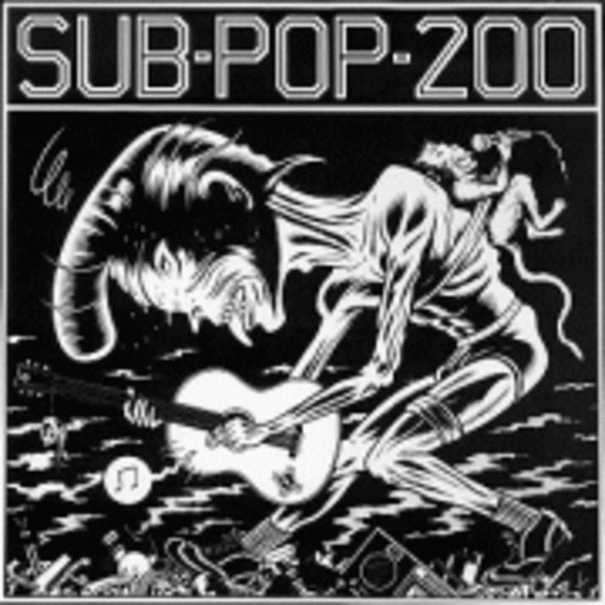
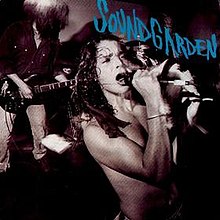
The two joined forces to create Sub Pop as a label and brand. Coming together to release Soundgarden’s Screaming Life EP, both Poneman and Pavitt quit their day jobs and opened up shop in Seattle’s Terminal Sales building in 1988. Pavitt had put together the Sub Pop 100 compilation album in 1986, but when they opened up office in Seattle in 1988 this is considered the beginning of the label.  It should also be noted that Sub Pop put out the Sub Pop 200 compilation album in 1988.  Bruce Pavitt and Jonathan Poneman put together a look and brand that had a specific style. Jack Endino was hired as producer and Charles Peterson as the photographer, together the two would help to create a sound and look that would become what the label was known for in a similar fashion to record labels such as Motown and SST. Poneman and Pavitt were also on the cusp of a cultural phenomenon that would be labelled Grunge. Sub Pop put out music by artists such as Mudhoney, Soundgarden, Tad, Nirvana and countless others. They had to work for their status and reputation often times dealing with financial difficulties, but they kept their dream alive by always finding ways to put out music by their emerging roster.

Nirvana signed to Geffen in 1991 after releasing a few recordings most notably 1989’s Bleach. As part of the deal Sub Pop would get a 2 percent royalty from Nirvana’s next two albums (due to a previous contract that the band had with Sub Pop), one of which was the multi-million dollar seller Nevermind. Following that point Sub Pop continued to release albums from different and interesting independent artists not just from Seattle. In 1995, Bruce Pavitt left Sub Pop to spend more time with his family selling all but one percent of his ownership in the business. The label went through a somewhat turbulent period at this point in time from about 1995 to the early 2000’s where they had opened offices on a world wide scale and had major label support. But Sub Pop came out on top eventually with the assistance of its staff and vice president Megan Jasper who helped Poneman and the label refocus. The label continued to release music during these times.  Sub Pop had a Singles Club which would last from 1988 to 1993 and then again 1998 to 2002. During this time the label put out singles by bands such as White Stripes, Flaming Lips, L7, Ron Sexsmith, Modest Mouse, Fugazi. They restarted the Singles Club for one year in 2008 to celebrate their 20th anniversary.

Currently Sub Pop is host to new artists such as Fleet Foxes, Jaill, No Age, Wolf Parade, Pissed Jeans, The Ruby Suns and many others. In 2013, Sub Pop turned twenty Five years old and has managed to thrive and persevere through the adversity that they faced. When Subterranean Pop was started back in 1980 as a fanzine it was out of a love of independent American record label releases, Sub Pop is now a beloved American record label. They even have a subsidiary label now entitled Hardly Art, which was launched in 2007. In 1995, Pavitt declared in a statement that Sub Pop had a goal of building “into a label that combines the vision of an indie with the clout of a major” and that is exactly what they have done.

For more information on the label and their releases check out their official website.

Sub Pop Play List:

1. The Day And Nights - Split (Sub Pop 200 - 1988)
2. Jaill - Everyone's Hip (That's How We Burn - 2010)
3. Cool Rays - Diary of You (Sub Pop 5 Cassette - 1980)
4. Zumpano - Orange Air (Wraparound Cool - 1994)
5. Hot Hot Heat - No, Not Now (Make Up The Breakdown - 2002)
6. Obits - Let Me Dream If I Want To (Let Me Dream If I Want To/The City Is Dead - 2012)
7. Sonic Youth - Kill Yr Idols (Sup Pop 100 - 1986)
8. Scratch Acid - Greatest Gift (Sup Pop 100 - 1986)
9, L7 - Shove (Shove/Packin' A Rod - 1990)
10. Soundgarden - Sup Pop Rock City (Sub Pop 200 - 1988)
11. Green River - This Town (Dry As A Bone - 1987)
12. Eric's Trip - Anytime You Want (Love Tara - 1993)
13. Sebadoh - Rebound (Bake Sale - 1994)
14. White Stripes - China Pig (Party of Special Things To Do/China Pig/Ashtray Heart - 2000)
15. Iron & Wine - Dearest Forsaken (Around The Well - 2009)
16. Jungle Nausea - Job Club (Sub Pop 5 Cassette - 1980)
17. Jason and The Nasheville Scorch - Broken Whiskey Glass (Sub Pop 7 Cassette - 1982)
18. Reverend Horton Heat - Psychobilly Freakout (Smoke 'Em If You Got 'Em - 1991)
19. The Shins - Know Your Onion! (Oh, Inverted World - 2001)
20. Pissed Jeans - Romanticize Me (Honeys - 2013)
21. Wolf Parade – You Are A Runner And I Am My Father's Son (Apologies To Queen Mary - 2005)
22. Handsome Furs - Cannot Get Started (Plague Park - 2007)
23. The Go - Meet Me At The Movies (Whatcha Doin' - 1999)
24. Dum Dum Girls - Bhang, Bhang, I'm A Burnout (Bhang, Bhang, I'm A Burnout/Last Caress - 2010)
25. Nirvana - Been A Son (Blew EP - 1989)
26. Mudhoney - In 'n' Out Of Grace (Superfuzz Bigmuff EP - 1988)

To download this weeks program, visit CJAM's schedule page for Revolution Rock and download the file for February 19. Or subscribe to Revolution Rock as a Podcast.

Tuesday, February 12, 2013

The Ugly Ducklings "Nothin'" & Show # 443


“Nothin’” was the first single released by The Ugly Ducklings, a Garage Rock band that originated from the Yorkville section of Toronto. This raw sounding single was released in 1966 on the York Town label and was recorded in the style of British R&B bands such as The Rolling Stones, The Kinks and The Yardbirds. The song is often called a Proto-Punk classic and everything about the song rectifies that statement whether lyrically or musically. The song was recorded in just a couple of hours by this five piece Canadian Garage group and self funded by guitarist Roger Mayne for just over $300. The song was recorded live with few overdubs to capture the bands live sound on tape. Singer Dave Bingham had this to say of the song and its content in book The Top 100 Canadian Singles by Bob Mersereau:

“I was one of those guys that was always rebelling against something. So Roger and I thought, what are gonna write about? Because we really hadn’t lived a life yet that we could write about, so I said “Why don’t we write about nothin’?” The idea of writing a song called “Nothin” was just perfect and anti to me.”


Shortly after its release (backed with a cover of Bo Diddley’s “I Can Tell”) the single was a small local hit in Toronto reaching number 70 on the Canadian singles charts. The Ugly Ducklings would release several singles and one full length album entitled Somewhere Outside. In 1967 they released the single “Gaslight” which was an even bigger success across Canada reaching number 17 on the RPM Charts and #1 at CHUM 1050 AM in Toronto. Following the “Gaslight” single the band broke up in 1968. The Ugly Ducklings experienced a resurgence in popularity by the late 70s Punk scene and would reform around this time releasing an album entitled Off The Wall in 1980. Most recently an album was released called Thump & Twang which was a series of live studio demos that were going to make up a second album following 1967’s Somewhere Outside, but once the band broke up in 1968 the album was scrapped. “Nothin’” still remains a lost Canadian Garage cult classic and was featured on numerous Garage compilation albums. While it may not be that well known these days, “Nothin’” stands on its own as a Garage Rock song filled with a rebellious R&B Punk attitude, lyrically it emphasises the need to rebel against a bad relationship in order to have personal freedom, even if that results in having nothing.

This Week's Play List:

1. Painted Ship – And She Said Yes
2. King Beez – Found and Lost
3. The Secrets – Cryin’ Over Her
4. 49th Parallel – Citizen Freak
5. The Cryptics – You’re Evil
6. The Ten Commandments – Not True
7. The Bohemians – I Need You Baby
8. The Esquires – It’s A Dirty Shame
9. Tom Northcot Trio – Just Don’t
10. Munks – Long Time Waitin’
11. The Worst – Get That Thing
12. The 14th Wray – Your Face Is On My Mind
13. The Polyester Explosion – Madeline
14. The Beaumonts – She Treats Me Right
15. The Smugglers – That Is Rock ‘N’ Roll
16. Prehistoric Cavestrokers - You're In You're Out
17. The Legend Killers – Born Loser
18. Deja Voodoo - Monsters In My Garage Got Married
19. Great Scots – Ball & Chain
20. The Haunted – 1-2-5 (Original Version)
21. The Northwest Company – Eight Hour Day
22. The Gentle Touch – Visitors Parking Only
23. The Ugly Ducklings – Nothin’
24. The Ugly Ducklings – I Can Tell
25. The Ugly Ducklings - Gaslight
26. The Gruesomes – I’m Searching

To download this weeks program, visit CJAM's schedule page for Revolution Rock and download the file for February 12. Or subscribe to Revolution Rock as a Podcast.

Tuesday, February 05, 2013

Miles Davis Kind of Blue & Show # 442

 
Kind of Blue was released by Miles Davis in 1959 and has gone on to be called one of the greatest Jazz albums of all time and one of the most commercially successful Jazz albums ever. But what is it about this album that makes it so great and what is it that makes people respond this way? The road to this album was a long one, Miles had previously released music in a Hard Bop Jazz style prior to this albums release in 1959. After years of playing that particular style of Jazz he began to grow disillusioned and dissatisfied with it, Miles felt as he said in Ashley Khan’s Kind of Blue: The Making of The Miles Davis Masterpiece that the complexity of the chord structures in the songs were limiting his creativity. Here is a quote from Miles Davis from that book that elaborates more on what I am referring to:

"No chords ... gives you a lot more freedom and space to hear things. When you go this way, you can go on forever. You don't have to worry about changes and you can do more with the [melody] line. It becomes a challenge to see how melodically innovative you can be. When you're based on chords, you know at the end of 32 bars that the chords have run out and there's nothing to do but repeat what you've just done—with variations."

Miles Davis began to experiment with a new style of Jazz which stripped away this complex structure simplifying what he did, as a result leaving more room for improvisation within each song. Not to get too technical, but the style is based on Jazz Modal scales and structures. This style was first experimented and recorded on 1958’s Milestone. On this album Miles first ventured into the aforementioned Jazz Modal style which he would expand on more on Kind of Blue. Kind of Blue was made up of two recording sessions both done at Columbia 300th Street Studio in New York City. The first three tracks (“So What”, “Freddy Freeloader”, “Blue In Green”) were all recorded on March 2nd, 1959, while the last two tracks (“All Blues” and "Flamenco Sketches”) were recorded on April 29th, 1959. Another interesting fact about this album is that all of the tracks featured on this release are the first recorded takes of the song. This is partially due to two factors one, the band that is found on these recordings and two, the process in which these songs were created and recorded.

For these songs the band had no idea what they were going to sound like prior to recording them, the were only given what was commonly referred to as “sketches” by Miles Davis which were given to the band just before recording the songs. They weren’t told specifically what the songs were going to be, but given a general idea of what was to be played. The band was made up of an all star cast of musicians John Coltrane and Cannonball Adderley on sax, Paul Chambers on bass, Jimmy Cobb on drums and of course Miles Davis on trumpet. The combination of experienced musicians and improvisation on each song captured a certain spontaneity that people identified with. The atmosphere and mysteriousness that is captured on this recording is part of what makes it so beloved, because even non Jazz fans know about it and like it. Kind of Blue was released on August 17th, 1959 and greatly influenced and helped to shape the future of Jazz music and music in general going beyond Jazz having a huge impact on Rock and Classical music genres. Even more than fifty years after its release people are still discovering Kind of Blue and talking about it.


This Week's Play List:

1. John Coltrane – Village Blues
2. Sun Ra – Enlightenment
3. John Lee Hooker – Devil's Jump
4. Leadbelly – Ella Speed
5. Marie Knight – Come On Baby
6. Dave Bartholomew – Hey Hey
7. Burning Spear – Marcus Garvey
8. James Eastwood – Darkest Night
9. Tawny Reed – Needle In A Haystack
10. Chuck Berry – Tulane
11. Albert & Charles Bedeaux– Weird
12. Rudy Greene – Wild Life
13. James Berry – Spider Bite Blues
14. Grant Green – Speak Low
15. Miles Davis – Freddie Freeloader
16. Miles Davis – Blu In Green
17. Otis Redding – You Don't Miss Your Water
18. U-Roy & The Tree Tops – Do It Right
19. Howlin’ Wolf – Moanin’ At Midnight
20. James Brown – I Can’t Stand It


To download this weeks program, visit CJAM's schedule page for Revolution Rock and download the file for February 5. Or subscribe to Revolution Rock as a Podcast.
Friday, February 01, 2013

Coming Up on Revolution Rock in February 2013!

February is once again theme month for Revolution Rock. This year I will doing four themed shows (one for each week in February). Each program will air on a Tuesday from 10:30-Noon and can be streamed/listened to online via www.cjam.ca or on the FM dial at 99.1 FM in the Windsor/Detroit area.

The shows will be as follows:

Revolution Rock Celebrates Black History Month – Miles Davis’ Kind of Blue
February 5th, 2013
10:30 AM - Noon
CJAM 99.1 FM (www.cjam.ca)

In the last few years I have started off theme month on Revolution Rock by celebrating Black History Month and venturing into genres that aren’t normally featured on the show such as Jazz, Blues, Soul, R&B, Reggae, etc. This year I will be playing a mix of those genres, but also focusing on Miles Davis’ Kind of Blue from 1959. I will be playing a selection of tracks from this highly influential and breakthrough album.


Retro Canadian Garage
February 13th, 2013
10:30 AM - Noon
CJAM 99.1 FM (www.cjam.ca)

While Revolution Rock usually features Garage Rock weekly, this program will feature tracks from Canadian Garage Rock bands from the 60s-80s and perhaps some bands from the 90s. It is specifically a look at Garage Rock from Canada’s past, not present. Expect to hear music from The Ugly Ducklings, The Gruesomes, The Haunted, The Northwest Company, Painted Ship and more!


Sub Pop Rock City
February 20th, 2013
10:30 AM - Noon
CJAM 99.1 FM (www.cjam.ca)

Sub Pop Records started out as an independent record label in 1986 by Bruce Pavitt and Jonathan Poneman in Seattle, Washington. The label was host to the Seattle Grunge music scene and has released music by Soundgarden, Mudhoney, Nirvana and countless others. Since then the label has expanded their roster releasing several albums by other bands mostly in the Indie Rock related genres.  They have put out releases by bands such as The Shins, Fleet Foxes, Fugazi, Shabazz Palaces, No Age, Jaill and several others. This program will focus on a selection of recordings that have been released by this wonderful label known as Sub Pop.


Revolution Surf (The 7th Edition)
February 27th, 2013
10:30 AM - Noon
CJAM 99.1 FM (www.cjam.ca)

I originally started the annual Surf program seven years ago as an excuse to play only Surf music on the program, I have since then incorporated it with a variety of other genres for that matter into the programs format, but still stick to this yearly special. This year will be no different. This February will mark my seventh annual Surf Rock program on CJAM FM. I will be playing a variety of new and old Surf bands focusing on The Ventures Walk Don’t Run album, which was originally released in 1960. The program will also feature a segment from Derk Brigante formerly of CJAM's Surfphony of Derstruction. He recently made a new postcast which can be heard at his blog here.

Tuesday, January 29, 2013

The Black Angels, The Mark Inside & Show # 441

Coming from Austin, Texas, The Black Angels have been playing their brand of Psychedelic Garage Rock since 2004. The bands forthcoming album will be entitled Indigo Meadow and will be released in April of 2013. Being the follow up to 2010’s Phosphene Dream, Indigo Meadow was produced by John Congleton who has worked with David Byrne & St. Vincent, Explosions In The Sky, and Clinic and is the bands fourth full length studio album. Guitarist Alex Maas had this to say of their newest single “Don’t Play With Guns”:


Our music has always tried to shed light on issues that may be hard to deal with or confront," says singer/guitarist Alex Maas. "If people think they can ignore the issues, they are wrong. Don't play with guns, don't touch a hot stove, don't give your child a poisonous snake, don't turn the cheek when artists are willing to discuss these issues."


Toronto’s The Mark Inside are currently working on their follow up album to 2011’s Nothing To Admit. Here is what I said about the album in an album review back in 2011:

Nothing To Admit features great Post-Punk themed tracks “There Is Nothing To Admit”, “Lime Green Monkeys” and “Questions”, while at the same time dipping into Garage Rock on tracks such as “House of Cards”. “The Bottom Line” is a track that is worth the price of admission of the album alone, the song which has charted on the Canadian Alternative Rock charts at # 31, is a slower soulful track that is lyrically a different kind of working mans anthem one that addresses issues surrounding big corporations. “Shots From A Broken Bottle” a single released from the album is another track that makes this album not only unique, but great. It is a song that simmers with elements of Blues and builds to a soulful roar. The album ends with the bands usual live set closer “The Sky Is Falling Down”, the song captures the bands live energy, which is never short of explosive and it clocks in at over seven minutes. Nothing To Admit features a variety of influences from Garage Rock, Post-Punk, Blues and Alternative, it is the sound of a great Canadian live band coming into their own.


This week's play list:

1. The Black Angels – Don’t Play With Guns
2. Holy Wave – Cool De La
3. James And Blackburn – Two Trees
4. Sam Coffey and The Iron Lungs – Bright Lights
5. The Growlers – One Million Lovers
6. Minotaurs – New Believers
7. The Rapture – Alienation
8. Public Image Limited – Theme
9. The Mark Inside – Nothing To Admit
10. XTC – New Town Animal
11. Dot Dash – The Past In Another Country
12. Bleachers – Rooks
13. Actual Water – She’s A Priest
14. The Stooges – Slide (Slidin' The Blues)
15. 63 Monroe - At The Boot
16. The Gruesomes – Your Lies
17. The Fan Club – I Won’t Take It
18. The Cigarettes – They’re Back Again, Here They Come
19. The Soft Pack – Oxford Avenue
20. Indian Wars – Florida
21. Young Rival – Valerie

To download this weeks program, visit CJAM's schedule page for Revolution Rock and download the file for January 29. Or subscribe to Revolution Rock as a Podcast.

Tuesday, January 22, 2013

More Songs About Buildings And Food Show # 440

 
In 1978, Talking Heads released their second full-length album More Songs About Buildings And Food. The album was the first to feature producer and future collaborator with the band Brian Eno (it was the first of many releases with Eno). Overall the album is much different than their debut Talking Heads: 77. While the album still emphasized David Byrne’s neurotic and nervous energy, the band and music as a whole is more fleshed out from the soul, garage and funk influences that Talking Heads introduced to us in their debut album. Lyrically, Talking Heads were always different than other bands of that era and on More Songs About Buildings And Food, they seemed to focus on lyrics surrounding a certain feeling that is at times serious, but also sometimes executed with a humorous wit. The overall lyrical and music structure on More Songs About Buildings And Food was perhaps best described by Ken Emerson’s Rolling Stone review of the album in 1978 as “a triumph over diversity, while the words spell out defeat by disparities between mind and body, head and heart.”

More Songs About Buildings And Food
back cover - Portrait U.S.A.
The album starts off with “Thank You For Sending Me An Angel” a song that displays the rhythm section of Chris Frantz and Tina Weymouth in top form. The bass and drum section is highlighted on this album in more detail and this song shows the first example of this. Musically the track features wavering keyboards/synthesizers from Jerry Harrison and light jangly guitar rhythms, while lyrically it starts the album off on a positive note. “With Our Love” brings Talking Heads funk influence to the forefront. As the dual guitars in the verses battle themselves in the chorus, the song stops and starts with jagged rhythms and smooth soulful basslines. Lyrically Bryne attacks the very psychology of love, how it can blur peoples point of view and how that feeling can make us feel with lyrics such as “Had they forgotten what this all means” and "You're really special/And they can't face the feeling and they can't really tell”.     

“Warning Sign” is different from the songs that proceed it, juxtaposing musically as we are taken away with watery effects on vocals and guitars. The song is bizarre and scary while at the same time it projects the band’s sense of nervous energy which they are known for, “The Girls Want To Be With The Girls” features marching drum beats and wavering synthesizers while the lyrics question the understanding of relationships between men and women displaying how some just don’t get it with lyrics such as “Girls are getting into abstract analysis/Wouldn't like to make that intuitive leap/They're making plans that have far reaching effects/And the girls want to be with the girls”. “Found A Job” comes next with its opening line “Damn that television”, as the song describes a story between Bob and Judy as they work on scripts and make up stories due to their boredom with television and their relationship, which in turn rejuvenates their relationship. The song once again brings the band’s funk influences to the forefront as the scratchy funky guitars attack the listener and the basslines fills in the gaps with the strong drum work by Chris Frantz. David Byrne’s quirky and often high vocals push the story of this song into our heads. The song ends with in a frantic jam like fashion with Harrison's guitar combating and complimenting Byrne's as it does throughout most of this album.

Take Me To The River single
Other songs such as “Artists Only” with its almost surf/new wave rhythm tackles the creative process lyrically, “Stay Hungry” and “I’m Not In Love” question as mentioned earlier "disparities between mind and body, head and heart”. The last two tracks on this album are the clinchers on this album, which transform the album from being just a good sophomore effort into an excellent one. “Take Me To The River” is an organic song and the most straightforward compared to what the first nine tracks offer. Originally by Al Green, it is placed rather fittingly here.  Al Green’s lyrics are executed in a certain fashion by David Byrne that make it relevant to the themes that proceed it, comparing love to a baptismal religious experience. This song, which would become one of Talking Heads top-thirty singles, has an undeniable, mesmerizing groove that wades through the minds of the listener’s subconscious. “The Big Country” ends the album. The song features folk and country-like rhythms while lyrically it emphasizes the empty feeling of flying over cites and places and feeling nowhere, yet wanting to be somewhere with lyrics such as “I wouldn’t live there if you paid me” and “I'm tired of looking out the windows of the airplane/I'm tired of traveling/I want to be somewhere/It's not even worth talking/About those people down there”.    

I could go on about how the literate lyrics could emphasize or portray certain things, but it is perhaps best to take a look at the front and back cover of this album as further indication to is meaning. The front cover portrays 529 close up Polaroid photographs of the band placed together like a map of the band, while the back cover features the first photo mosaic map of the US, entitled Portrait U.S.A. made of 569 photos taken from space in 1976. Both images are maps that show an overall map of something. One is of the band, one is of the United States and the music on the inside provides deeper detail and meaning to these images. More Songs About Buildings And Food questions the very make up of the body, mind and heart as if it were a map with its refined, yet diverse rhythms and thought provoking lyrics. 

This week's play list:

1. The Remains – Don’t Look Back
2. The Castaways – Liar, Liar
3. Seven Story Redhead – Diamond Geezer
4. Golden BC – The Proof
5. Cold Warps – Stuck On An Island
6. Nirvana – Spank Thru
7. Mudhoney – The Rose
8. The Chemistry Set – Underground
9. Deja Voodoo – Too Cool To Live, Too Smart To Die
10. Simply Saucer – Instant Pleasure
11. Pointed Sticks – New Ways
12. Talking Heads - Thank You For Sending Me An Angel
13. Talking Heads – Found A Job
14. EX~PO – Burn, Burn, Burn
15. Terminal Sunglasses – Terminal Theme
16. April March – Chick Habit
17. Ghost Bikini – Rage In A Cage
18. Thee Rum Coves – Happy Times
19. The D4 – High Voltage
20. Sex Pistols – Substitute
21. The (International) Noise Conspiracy – Smash It Up
22. The White Stripes – Astro
23. The Prisoners - What I Want
24. Magazine – Model Worker (BBC Session)
25. The Clash - Stay Free

To download this weeks program, visit CJAM's schedule page for Revolution Rock and download the file for January 22. Or subscribe to Revolution Rock as a Podcast.