Showing posts with label Bob Dylan. Show all posts

Saturday, May 29, 2021

Bob Dylan's 80th Birthday Bash & Bob Dylan Covered Shows # 884, 883 & 882


On May 24th, 2021 Bob Dylan turned eighty years old. To celebrate this Revolution Rock did two shows focusing on the music of Bob Dylan. One episode focused on selections from Dylan’s vast discography and one show focused on cover song versions of Bob Dylan’s music.  Dylan has 39 studio albums to date, not counting compilation albums, live albums, singles, box sets and his Bootleg Series. You can find selections from some of these releases in the May 22nd episode of Revolution Rock. The show on May 29th shows his vast influences across different decades and genres. 

Here are some quotes from previous articles written for this website from the past and present:

In the span fourteen of months from January 1965 to roughly February 1966, Bob Dylan made a transition from the folk music scene that he was a part of starting in Greenwich Village into the wild spontaneous world of rock music. Already able to fill Carnegie Hall, Dylan looked for something new and did not want to be labeled as a protest songwriter. It is also fitting that his first album where he would experiment with what he would eventually call his “wild mercury sound” was produced by Tom Wilson. Wilson produced the three acoustic Dylan albums that preceded Bringing It All Back Home (The Freewheelin’ Bob Dylan (1963), The Times They Are A Changin’ (1964) and Another Side Of Bob Dylan (1964)) and Wilson would assist in bringing Dylan’s electric sound to a new audience. 

In 2014, The Basement Tapes Complete were released as part of Bob Dylan’s bootleg series. This set took us through Dylan’s next phase of music following his “Dylan goes electric” era. Those songs reached out to Dylan’s roots exploring folk music, roots rock and country, which led to the sounds that would produce both Music From Big Pink by The Band and 1967’s stripped down John Wesley HardingThe Cutting Edge: 1965-1966: Bootleg Series Vol.12 rewinds the tape, going back to the time before any of that occurred. We see Dylan searching for a sound through rock music, which would put him in the public eye. The Cutting Edge shows the listener what it would be like to be a fly on the studio wall as Bob Dylan and a series of musicians create three very different highly influential albums that brought in a rock & roll sound with a new kind of lyric.

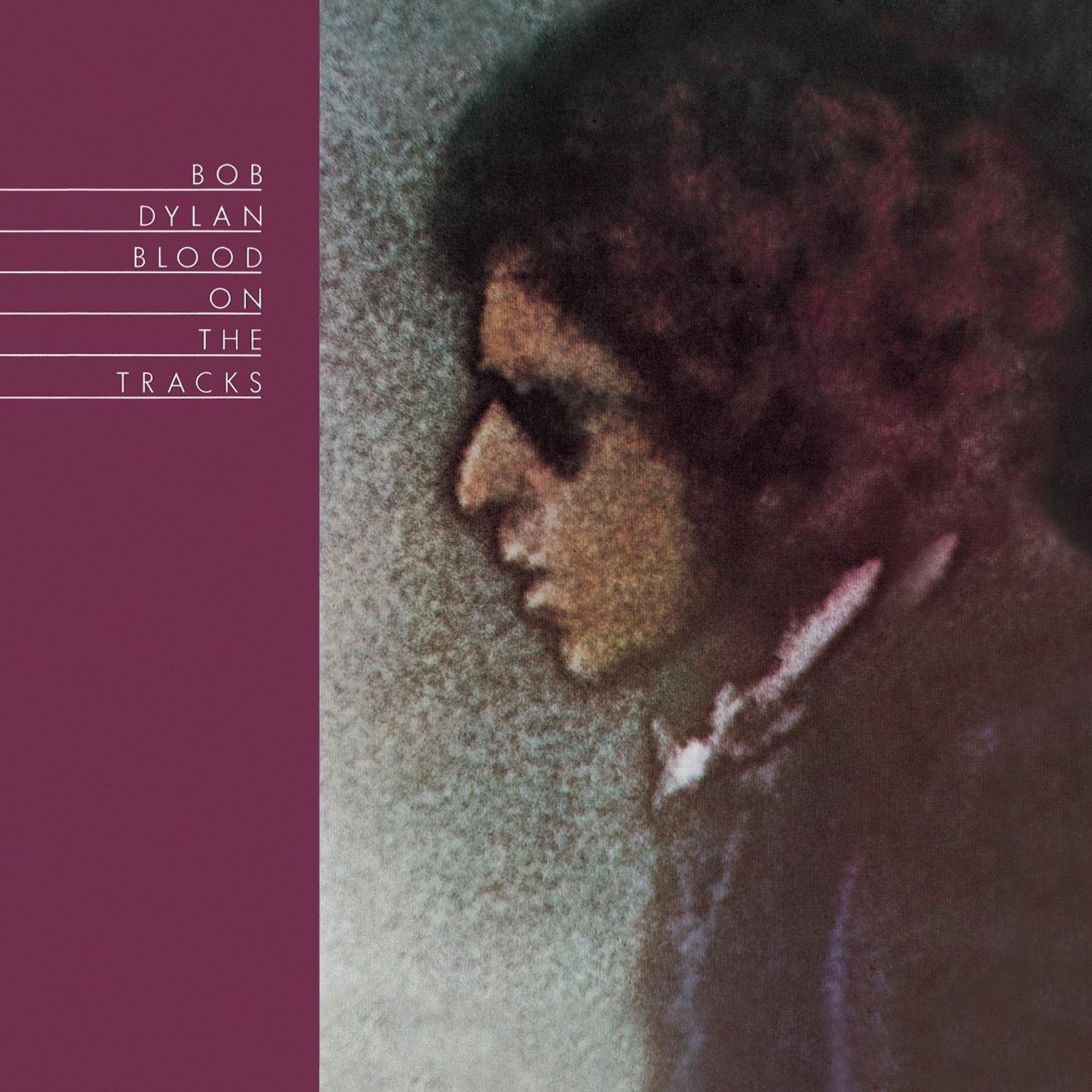
Blood On The Tracks
is an album where the songs take on a literate, complex narrative, but also shows a more personalized Bob Dylan, whether it is autobiographical or not, shedding his emotional turmoil and heartbreak. With the recently released Bootleg Series Volume 14: More Blood, More Tracks, we see glimpses into the creative process and a devotion to these songs that came at a time in Dylan’s career when people thought they had him figured out. The lyrics on this album are delivered in a raw, unapologetic, unnerving fashion. Dylan rearranges the concepts of time within the context of the songs on this album, challenging song conventions and his approach to lyrics that are different from what he had done before. As the listener makes their way through the album’s ten tracks, the pains of break ups, their aftermath and emotional baggage that come along with them, we see that these are tracks we all must cross at some point. But, sometimes certain feelings are not so easy to leave behind.

What’s left to say about Rough and Rowdy Ways? The bard’s 39th studio album was met with glowing praise on its release, with dozens of articles acclaiming the Protean-songwriter’s return to original material after a clunky series of covers-records. Like the other great late-era Dylan albums (think Time Out of Mind and Love & Theft), the legend hoarsely intones his elliptical poetry over sympathetic bare-bones blues arrangements. However, what stands out about the record is the quality of Dylan’s songwriting. His acerbic verse describes encounters with the spectre of death in “Black Rider,” the Pygmalion-cum-Frankenstein creation of an idealized lover in “My Very Own Version of You,” and describes passing into old age as a tumultuous sea-voyage on “Crossing the Rubicon.” It also features the best up-tempo numbers to come from Dylan in over a decade, such as in the bluesy “Goodbye Jimmy Reed” or the hard-hitting satire of “False Prophet.” Then there is “Murder Most Foul,” the epic seventeen minute piano ballad about the assassination of JFK which landed Dylan his first ever number one single. Though just shy of eighty, Rough and Rowdy Ways proves that Dylan has lost no steam and is still capable of producing some of the most profound and moving music of his storied career.

Find the Bob Dylan & Bob Dylan Covered playlists/episodes below.

Show 884 Bob Dylan Covered Playlist (Originally Aired On May 29th, 2021):

1. Beck - Leopard Skin Pill-Box Hat (War Child Presents Heroes Vol 1 - Parlophone - 2009)
2. Queens of the Stone Age - Outlaw Blues (Chimes of Freedom: The Song of Bob Dylan Honoring 50 Years of Amnesty International - Fontana - 2012)
3. White Stripes - One More Cup Of Coffee (White Stripes - Sympathy For The Record Industry - 1999)
4. 13th Floor Elevators – It’s All Over Now, Baby Blue (Easter Everywhere - International Artists - 1967) 
5. R.L. Burnside – Everything is Broken (Tangled Up in Blues: Songs of Bob Dylan - House of Blues - 1999) 
6. Julie Dorion – On the Road Again (Subterranean Homesick Blues: A Tribute - Reimagine Music - 2010) 
7. Lee Renaldo - Visions of Johanna (Outlaw Blues Volume Two - Imaginary Records - 1993) 
8. Patti Smith –Drifters Escape (Chimes of Freedom: The Song of Bob Dylan Honoring 50 Years of Amnesty International - Fontana - 2012)
9. Cowboy Junkies – If You Gotta Go, Go Now (Rarities, B-Sides, and Slow, Sad Waltzes - True North/Latent - 1999)
10. The Byrds - You Ain’t Going Nowhere (Sweetheart of the Rodeo - Columbia Records - 1968)
11. Neil Young & The Sadies - This Wheel’s On Fire (Garth Hudson Presents A Canadian Celebration of The Band - Curve Music/Sony Music - 2010)
12. Neko Case - Buckets of Rain (Live From Austin, TX - Austin City Limits 2007)
13. Daniel Romano’s Outfit - Neighborhood Bully (Do (What Could Have Been) Infidels By Bob Dylan & The Plugz - 2020)
14. Daniel Romano’s Outfit - License to Kill (Do (What Could Have Been) Infidels By Bob Dylan & The Plugz - 2020)
15. Daniel Romano – Jokerman (Do (What Could Have Been) Infidels By Bob Dylan & The Plugz - 2020)
16. Richard Hell & the Voidoids – Going, Going, Gone (Destiny Street - Red Star - 1982/Omnivore Recordings - 2021) 
17. Ramones – My Back Pages (Acid Eaters - Radioactive - 1993) 
18. The Headstones – Tweeter and the Monkey Man (Picture of Health - MCA - 1993) 
19. PJ Harvey – Highway 61 Revisited (Rid of Me - Island - 1993) 
20. David Lynch - The Ballad of Hollis Brown (The Big Dream - Sacred Bones/Sunday Best -  2013)
21. The Clash - The Man In Me (Vanilla Tapes) (London Calling: 25th Anniversary Legacy Edition - Epic - 2004)
22. Devo (as Dove) - Gotta Serve Somebody (Live 1980)(Recombo DNA -  Rhino - 2000)

To hear this program, visit CJAM's schedule page for Revolution Rock and click the May 29 file to download/stream the episode.

Show 883 Bob Dylan 80th Birthday Bash Playlist (Originally Aired On May 22nd, 2021):

1.  Bob Dylan - Mixed Up Confusion (Biograph - Columbia Records - 1985)
2.  Bob Dylan - Don't Think Twice, It's Alright (Demo) (No Direction Home: The Soundtrack:  Bootleg Series Vol 5 - Columbia Records - 2005)
3.  Bob Dylan - Black Diamond Bay (Desire - Columbia Records - 1976)
4.  Bob Dylan - When The Ship Comes In (The Times They Are A-Changin' - Columbia Records - 1964)
5.  Bob Dylan - Spanish Harlem Incident (Another Side of Bob Dylan - Columbia Records - 1964)
6.  Bob Dylan - She Belongs To Me (Bringing It All Back Home - Columbia Records - 1965)
7.  Bob Dylan - Highway 61 Revisited (Highway 61 Revisited - Columbia Records - 1965)
8.  Bob Dylan - I Want You (Blonde On Blonde - Columbia Records - 1966)
9.  Bob Dylan - Dirt Road Blues (Time Out of Mind - Columbia Records - 1997)
10. Bob Dylan - High Water (For Charley Patton) (Love and Theft - Columbia Records - 2001)
11. Bob Dylan - Someday Baby (Modern Times - Columbia Records - 2006)
12. Bob Dylan - World Gone Wrong (World Gone Wrong - Columbia Records - 1993)
13. Bob Dylan & The Band - Belshazzar (Bootleg Series Vol 11: The Basement Tapes Complete - Columbia Records - 2014)
14. Bob Dylan & The Band - 900 Miles From My Home (Bootleg Series Vol 11: The Basement Tapes Complete - Columbia Records - 2014)
15. Bob Dylan - The Man In Me (New Morning - Columbia Records - 1970)
16. Bob Dylan & The Band - Medicine Sunday (Take 1) (The Cutting Edge: 1965-1966: Bootleg Series Vol.12 - Columbia Records - 2015)
17. Bob Dylan & The Band - Jet Pilot (Take 1) (The Cutting Edge: 1965-1966: Bootleg Series Vol.12 - Columbia Records - 2015)
18. Bob Dylan & The Band - I Wanna Be Your Lover (Take 2) (The Cutting Edge: 1965-1966: Bootleg Series Vol.12 - Columbia Records - 2015)
19. Bob Dylan - Tombstone Blues (Take 9) (The Cutting Edge: 1965-1966: Bootleg Series Vol.12 - Columbia Records - 2015)
20. Bob Dylan - As I Went Out One Morning (John Wesley Harding - Columbia Records - 1967)
21. Bob Dylan & The Band - Going, Going, Gone (Planet Waves - Columbia Records - 1974)
22. Bob Dylan & The Band - Lo and Behold (The Basement Tapes - Columbia Records - 1975)
23. Bob Dylan & The Band - Open The Door, Homer (The Basement Tapes - Columbia Records - 1975)
24. Bob Dylan - You're Gonna Make Me Lonesome When You Go (Blood On The Tracks - Columbia Records - 1975)
25. Bob Dylan & The Band - Rainy Day Women No. 12 & 35 (Isle of Wight Live 1969: Another Self Portrait:  Bootleg Series Vol 10 - Columbia Records - 2013)
26. Bob Dylan & The Hawks - Tell Me, Momma (Bob Dylan Live 1966: The "Royal Albert Hall" Concert:  The Bootleg Series Vol 4 - Columbia Records - 1998)

To hear this program, visit CJAM's schedule page for Revolution Rock and click the May 22 file to download/stream the episode.

Show 882 Playlist (Originally Aired On May 15th, 2021)(Kraftwerk, Blue Peter Paul Humphrey tribute, N.E.E.T., The Chills, Bob Dylan):

1.  Kraftwerk - Pocket Calculator
2.  Kraftwerk - Computer Love
3.  Brent Amaker and The Rodeo - Pocket Calculator
4.  Kristian North - Halfway To Heaven
5.  Blue Peter - Same Old Place
6.  Blue Peter - Radio Silence
7.  Blue Peter - Don't Walk Past
8.  N.E.E.T. - Digital
9.  N.E.E.T. - 1969
10. N.E.E.T. - Sunglasses After Dark
11. Iceage - Gold City
12. Rec Centre - The Last Time I Vomited
13. Juliana Hatfield - Mouth Full Of Blood
14. Spencer Krug - River River
15. Born Ruffians - Ring Finger
16. The Leather Uppers - Slow Puke
17. The Dry Heaves - I Can't Puke
18. Vaguess - Cherry-Flavored Chunks
19. Electric Vomit - Boredom Abolishing
20. The Follow Ups - Just For Dave
21. Poison Suckers - Stick Up
22. The Routes - Mesmerised
23. Bob Dylan & The Band - I Threw It All Away (Live)
24. Bob Dylan & Johnny Cash - Guess Things Happen That Way (Take 3)
25. Bob Dylan - I Went To See The Gypsy (Take 6)
26. Bob Dylan & The Plugz - Don't Start Me Talking
27. Bob Dylan - Romance In Durango (Live)
28. Beams - Born To Win
29. The Chills - Monolith
30. The Chills - Hidden Bay

To hear this program, visit CJAM's schedule page for Revolution Rock and click the May 15 file to download/stream the episode.

Saturday, December 19, 2020

2020 Album Highlights & Shows # 860, 859

Last year, instead of doing a top twenty or top ten album list on Revolution Rock, Dave and Adam decided to just play a collection of albums over two episodes and not list any specific number ranking for them. We've continued this method for the albums of 2020 this year.  What you will find here are six write-ups from some albums that were released in 2020, three written by Dave and three written by Adam. Following these words are playlists and download links to two episodes featuring music released in 2020.

2020 Album Highlights:
Written by Dave Konstantino

Tough Age – Which Way Am I?


Describing their music as “culmination rock" fusing elements of surf, garage, punk and indie pop, Toronto’s Tough Age released their fourth full-length album Which Way Am I? on Mint Records in August 2020.  Tough Age is made up of singer/guitarist Jarrett Samson, Penny Clark on bass/vocals and Jesse Locke on drums. Musically the album draws from the sonic textures of indie bands such as The Clean, The Chills, The Bats and other early New Zealand bands on the Flying Nun record label. In addition to this there are other musical signifiers such as Sonic Youth, Television and The Feelies. Lyrically, the songs are very introspective, that often question and contradict at the same time. “Self-Confidence” opens Which Way Am I? With scratchy guitars, driving bass and steady, yet explosive drum patterns, this song opens with the question many people in the arts find themselves in “Here we are back on track/Anyone still looking?” The song questions being a band in the modern age of Internet streaming with Samson’s own sense of wit and humour.  “Penny Current Suppression Ring” comes in as track two on Which Way Am I? Sung by bassist Penny Clark, this song with lyrics that poke fun at Samson’s obsession with New Zealand Flying Nun bands. The song thrives with energy and influences of bands such as Eddy Current Suppression Ring (who are from Australia, not New Zealand). Like many of the songs on this album, more than one thought runs through it. This song also poses the question what success would mean in order to be happy.  Which Way Am I? is just one of those albums that you can’t really describe why it affects you so much. The way that this three piece plays together on this album projects an energy and mesmerizing cohesion. Maybe that’s it? Whatever it is, Which Way Am I? creates its own sonic landscape that swirls with different lyrical and musical textures that are intense at times, but also thrilling and addictive. 

Recommended Tracks:  “Self-Confidence”, “Penny Current Suppression Ring”, “Consequences”

Teenanger – Good Time

Put out through Telephone Explosion Records, Good Time is a lean record that wields a large burst of creative energy. “Beige” starts off Good Time. With its watery guitar, bass that treads with strong melodies, intense feedback and drums that provide a resilient backbeat, “Beige” brings forth lyrical images with words such as “I’m stuck in a strange wave/Everything starts to feel beige/Can’t walk in a straight line/Can’t stay in time” and “It’s the safest shade/Everything is beige”. Within the opening moments of the album, Teenanger leave plenty for the listener to contemplate.  “Touching Glass” mixes new wave/post punk sounds with pop. Sung by bassist Melissa Ball, “Touching Glass” arrives with a seemingly laid back approach, but digs in as the chorus “You’re touching glass/We’re fading fast” hits and cutting guitar and drums break through. This song delves into the frustration of being absorbed by our phones all day.  As the song reaches its close, the band moves into a funkier groove with sweeping synthesizers and polyrhythms that would make fans of Talking Heads or even Tom Tom Club move their feet.  With Good Time, Teenanger breaks free from the rut of repeating themselves. Produced by drummer Steve Sidoli in their newfound rehearsal space/functional studio named Studio Z and mixed by Sandro Perri, the title of the album may be tongue-in-cheek, it may not. Teenanger’s lyrical subversion and irreverent humour shine through as they harness their creative energies to create a new post punk aesthetic for themselves.  This proves to anyone who listens that despite the challenges and negativity that can surround us it is not impossible to have a good time.

Recommended Tracks:  “Romance For Rent”, “Good Time”, “Touching Glass”

Shadow Show - Silhouettes


Detroit’s Shadow Show combines elements of 60s psychedelia and garage rock.  The band features guitarist/vocalist Ava East, bassist Kate Derringer and drummer Kerrigan Pearce.  Recorded and mixed by bassist Kate Derringer in Ann Arbor, Michigan and mastered by Jim Diamond, Silhouettes, their debut full-length album contains ten tracks that cast infectious melodies and a mysterious energy.  “Charades” features a 1966-era Beatles psychedelia with its marching drumbeats, apregiated guitars, bouncing basslines and lyrics “I could be you/You could be me/I could be anything I see/But that’s part of the dream” that start off the album with a range of thoughts and sentiments.  As the song picks up and it drifts into the surfy breakdown, it moves back into undeniable grooves that make you move as lyrics such as “Now the mystique is to be known/its light as curious as shadow/cause that’s part of the show you know” provide further depth in the opening moments of Silhouettes.  “Contessa” is a garage rock track with lush vocal harmonies and lyrics about deception, “The Alchemist” deals with psychedelic elements and features lyrics such as “You seek the place/I seek the center of your mind/watch it closing in on you”.  “Trapeze Act” sways back and forth on the edge with its steadying drums, dizzying guitar riffs and basslines.  With Silhouettes, Shadow Show deliver a strong debut album with a range and depth featuring psychedelic grooves and catchy harmonies that is also rooted in the raw, uncompromising Detroit sound.  Silhouettes outlines a sound and vision that is all their own.  

Recommended Tracks:  “Charades”, “Contessa”, “Silhouette”

More 2020 Album Highlights:
Written by Adam Peltier

Fiona Apple - Fetch the Bolt Cutters


If punk is not a sound as much as an attitude, nobody made a more punk record this year than Fiona Apple. Fetch the Bolt Cutters is an uncompromising collection of piano and experimental percussion that completely subverts any expectations of listeners still wanting to hear another “Criminal” out of the artist. Beyond the abrasive and experimental sounds of the record, Apple was also uncompromising in the subject mater she sung about: misogyny (“Under the Table”), sexual assault (“For Her”), and the complexity of the songwriter’s relationships with other women. In fact, what is so fantastic about this record is how centred it is on the experiences of women, whether through the nostalgic reminiscences of “Shameika” or the scathing critique of how society positions females into confrontational roles as described in “Ladies.” Personal and political, Fetch the Bolt Cutters is Apple’s boldest and most honest record to date, a revelatory listen that demonstrates that she is one of our generation’s greatest songwriters.

Recommended tracks: “Shameika”, “Heavy Balloon”, “Cosmonauts”

Bob Dylan - Rough and Rowdy Ways 


What’s left to say about Rough and Rowdy Ways? The bard’s 39th studio album was met with glowing praise on its release, with dozens of articles acclaiming the Protean-songwriter’s return to original material after a clunky series of covers-records. Like the other great late-era Dylan albums (think Time Out of Mind and Love & Theft), the legend hoarsely intones his elliptical poetry over sympathetic bare-bones blues arrangements. However, what stands out about the record is the quality of Dylan’s songwriting. His acerbic verse describes encounters with the spectre of death in “Black Rider,” the Pygmalion-cum-Frankenstein creation of an idealized lover in “My Very Own Version of You,” and describes passing into old age as a tumultuous sea-voyage on “Crossing the Rubicon.” It also features the best up-tempo numbers to come from Dylan in over a decade, such as in the bluesy “Goodbye Jimmy Reed” or the hard-hitting satire of “False Prophet.” Then there is “Murder Most Foul,” the epic seventeen minute piano ballad about the assassination of JFK which landed Dylan his first ever number one single. Though just shy of eighty, Rough and Rowdy Ways proves that Dylan has lost no steam and is still capable of producing some of the most profound and moving music of his storied career.

Recommended tracks: “False Prophet”, “I Contain Multitudes”, “My Very Own Version of You”

Cindy Lee - What’s Tonight to Eternity


Cindy Lee, the experimental project by former Women guitarist Patrick Flegel, is simultaneously beguiling and alluring. The sounds produced from this outfit sound both nostalgic and dystopian: the Cleaver’s house is on fire, Dick and Jane are chasing you with knives, Brigitte Bardot is flashing a smile at you while pouring sulfuric acid on your face. Traditional balladry evoking 1950’s pop music is subverted throughout What’s Tonight to Eternity: imagine Lynch’s Blue Velvet filtered through the apocalyptic dissonance of Sonic Youth’s “Death Valley 69.” Sounds of 60’s ye-ye pop are merged with VU style distortion on “Plastic Raincoat.” The bouncy synth-pop of “I Want You to Suffer” is suddenly plunged into cacophonous feedback. Even the album’s most conventionally beautiful song “Heavy Metal,” a tribute to Flegel’s late bandmate Chris Reimer, bristles with an unsettling undertone of menace. This noir nightmare of an album display’s Cindy Lee’s incredible range and manages to craft a unique sonic world unlike any other record released this year.

Recommend tracks: “Heavy Metal”, “I Want You to Suffer”, “Plastic Raincoat”

Show # 860 Playlist (Originally Aired December 19th, 2020)(Albums of 2020 Part Two):

1.  Tommy & The Commies - Hurtin' 4 Certain (Hurtin' 4 Certain EP - Slovenly Recordings - 2020)
2.  Demolition Doll Rods - That's Insane (Into The Brave - In The Red Records - 2020)
3.  Fuzz - Mirror (III - In The Red Records - 2020)
4.  TV Freaks - Space (People - Schizophrenic Records - 2020)
5.  Osees - If I Had My Way (Protean Threat - Castle Face Records - 2020)
6.  Jon Mckiel - Management (Bobby Joe Hope - You've Changed Records - 2020)
7.  Nap Eyes - Mark Zuckerberg (Snapshot Of A Beginner - Royal Mountain Records/Jagjaguwar - 2020)
8.  Daniel Romano's Outfit - Never Yet In Love (How Ill Thy World Is Ordered - You've Changed Records - 2020)
9.  Bloodshot Bill - My Heart Cries For You (Get Loose Or Get Lost - Goner Records - 2020)
10. Waxahatchee - Witches (Saint Cloud - Merge Records - 2020)
11. Bill Callahan - Breakfast (Gold Record - Drag City - 2020)
12. Jeff Tweedy - Gwendolyne (Love Is The King - dBpm Records - 2020)
14. Neil Young - Homegrown (Homegrown - Reprise - 2020)
15. X - Goodbye Year, Goodbye (Alphabetland - Fat Possum Records - 2020)
16. Jeff Rosenstock - Leave It In The Sun (No Dream - Polyvinyl Record Co. - 2020)
17. Drive-By Truckers - The New OK (The New OK - ATO Records - 2020)
18. Drive-By Truckers - Armageddon's Back In Town (The Unravelling - ATO Records - 2020)
19. Shadow Show - Contessa (Silhouettes - Stolen Body Records/Greenway Records - 2020)
20. Fontaines D.C. - A Hero's Death (A Hero's Death - Partisan Records - 2020)
21. Thurston Moore - Cantaloupe (By The Fire - Daydream Library - 2020)
22. Wire - Off The Beach (Mind Hive  - Pinkflag - 2020)
23. Metz - Blind Industrial Youth Park (Atlas Vending - Sub Pop - 2020)
24. The Strokes - Brookyln Bridge To Chorus (The New Abnormal - Cult Records/RCA - 2020)
25. Pottery - Take Your Time (Welcome To Bobby's Motel - Partisan Records - 2020)
26. Protomartyr - Michigan Hammers (Ultimate Success Today - Domino - 2020)
27. Teenanger - Good Time (Good Time - Telephone Explosion - 2020)
28. Tough Age - Consequences (Which Way Am I? - Mint Records - 2020)
29. Bob Dylan - False Prophet (Rough And Rowdy Ways - Columbia Records - 2020)


Show #859 Playlist (Originally Aired On December 12th, 2020)(Albums of 2020 Part One):

1.  Art Blakey & The Jazz Messengers - Quick Trick (Just Coolin' - Blue Note - 2020)
2.  King Khan - Wait Till The Stars Burn (Infinite Ones - Ernest Jenning Record Co./Khannibalism - 2020)
3.  Rolling Blackouts C.F. - The Cool Change (Sideways To New Italy - Sub Pop - 2020)
4.  Dog Day - Hell On Earth (Present - Fundog Records - 2020)
5.  Sweet Dave - Future Dirt (Pink Dreams - Pointless Product - 2020)
6.  Guided By Voices - Haircut Sphinx (Mirrored Aztec - GBV Inc. - 2020)
7.  Fiona Apple - Shameika (Fetch The Bolt Cutters - Epic/Clean Slate - 2020)
8.  The Microphones - The Microphones in 2020 (excerpt) (The Microphones in 2020 - P. W. Elverum & Sun, Ltd. - 2020)
9.  Cindy Lee - Heavy Metal (What's Tonight to Eternity  - W.25TH / Superior Viaduct - 2020)
10. Yves Tumor - Identity Trade (Heaven To A Tortured Mind - Warp Records - 2020)
11. Ron Leary This Guitar (Musicians Make Great Construction Workers - 2020)
12. Ron Leary & Dean Drouilliard - First Love (As Long As I Ain't Thinking About It - 2020)
13. Johnny West - Lead Bullets (Year of the Sleepwalk - Tosteestosta Music - 2020)
14. James O-L - All That I Need (No Fear - Famous Last Records - 2020)
15. Orville Peck - Summertime (Show Pony - Columbia Records/Sub Pop - 2020)
16. The Flaming Lips - Dinosaurs On The Mountain (American Head - Warner - 2020)
17. Jarv Is… - Swanky Modes (Beyond The Pale - Rough Trade Records - 2020)
18. Destroyer - Kinda Dark (Have We Met - Merge Records - 2020)
19. U.S. Girls - Overtime (Heavy Light - 4AD - 2020)
20. Porridge Radio - Sweet (Every Bad - Secretly Canadian - 2020)
21. Crack Cloud - Something's Gotta Give (Pain Olympics - Metal Machine - 2020)
22. Special Interest - Don't Kiss Me In Public (The Passion Of - Night School / Thrilling Living - 2020)
23. Coriky - Have A Cup Of Tea (Coriky - Dischord Records - 2020)
24. Lie - Digging In The Desert (You Want It Real - Mint Records - 2020)
25. Dean Marino - Haunted No 3 (Love-Thirteen - Flowerpot Records - 2020)
26. Kestrels - Blue and Grey (Featuring Jay Mascis) (Dream Or Don't Dream - Darla Records - 2020)
27. Damaged Bug - Microminature Love (Bug On Yonkers - Castle Face Records -2020)
28. Rough Francis - Urgent Care (Urgent Care -2020)
29. No Age - Agitating Moss (Goons Be Gone - Drag City -2020)

Saturday, November 17, 2018

Bob Dylan More Blood, More Tracks & Shows # 746, 747, 748


In 1974, Bob Dylan began work on what would become known as Blood On The Tracks. Around this time, Dylan returned to Columbia Records after releasing a few albums via Asylum records. People often say that this is Dylan’s “break up” album, since at the time his marriage was on the rocks and it would eventually lead to a divorce. At the same time the album revels in the visceral and draws on many narratives that deal with the intricacies of relationships. It has more of a personal edge than his work that preceded this. In his 2004 memoir Chronicles Volume 1, Dylan stated that the album was not about him, but was inspired by the short stories of Anton Chekov. After going through some painting classes with Norman Raeben in New York, Dylan found a new approach to his lyrics that came from his experiences painting. Prior to this Dylan’s lyrics often took on a surrealistic or political edge. While Dylan has always been an artist in flux, he has stated in an interview with Rolling Stone in 1978 that Blood On The Tracks was different and that “There's a code in the lyrics, and also there's no sense of time.”

In September 1974, Bob Dylan began recording Blood On The Tracks in New York. The sessions took place at A&R Recording Studios, where Dylan recorded all of his early acoustic albums. Coincidentally, the songs also take on more of a folk-music approach. Following a quick recording session, with some tracks featuring members of the band Deliverance, test pressings and artwork were printed and sent out. However, after going home for the holidays, Dylan’s brother David Zimmerman said that the songs were too stark and would not go over well with audiences. Following this, Bob Dylan assembled local musicians from Minneapolis and re-recorded five of the album’s tracks in December of 1974. The final album that was released in January 1975 is a combination of five tracks from the initial sessions in New York from September 1974 and the five tracks recorded in Minneapolis in December 1974. Many of the songs on Blood On The Tracks were also sped up by 2-3% percent to give the album a more pleasant sound.

“Tangled Up In Blue” opens the album. This song adheres to Dylan’s “No sense of time” comment mentioned earlier. The song jumps from different narratives from first person to third person and layers a complex tale that references a star crossed couple, their travels, and break up. The song also emphasizes the feeling of lost love, emotional ties that are hard to break, and hope. “Tangled Up In Blue” was referred to by Dylan in Rolling Stone in 1985 as being, "Like a painting where you can see the different parts, but then you also see the whole of it". In this case the paint is lyrics that illustrate this tale. Musically, the song does have a band arrangement, but also the acoustic guitar is quite prominent (as it is throughout Blood On the Tracks). The version found on 1975’s Blood On The Tracks was recorded in December of 1974 with local musicians from Minneapolis. Initially, the song featured just acoustic guitar and bass, was slower, and went back to a sound very similar to Dylan’s 60s acoustic recordings. As mentioned in reviews of the recently released Bootleg Series Volume 14: More Blood, More Tracks, you can even hear the sound of the buttons of Bob Dylan’s shirt hitting his acoustic guitar. There are also several other variations of this song and several others on the box set.

“Simple Twist of Fate” is the second track found on Blood On The Tracks. With just an acoustic guitar, an unobtrusive bassline and harmonica, musically “Simple Twist of Fate” takes on a more somber tone. Lyrically, the song is a poignant, emotionally charged affair. With words such as “He woke up, the room was bare/He didn't see her anywhere/He told himself he didn't care/Pushed the window open wide/Felt an emptiness inside/To which he just could not relate/Brought on by a simple twist of fate” and “I still believe she was my twin/But I lost the ring/She was born in spring/But I was born too late”, Bob Dylan takes to his lyricism in a poetic way that adds themes, mood, and a haunting atmosphere to what seems like a missed connection between two people. “You’re A Big Girl Now” comes in with Spanish styled acoustic guitar before Dylan’s vocals come into this song filled with a strong sense of melody, frustration and regret.

“Idiot Wind” is a song that clocks in over seven minutes and has a certain attitude that was featured in songs such as “Like A Rolling Stone” and “Positively 4th Street”. In this song Dylan rants “Idiot wind, blowing every time you move your mouth/Blowing down the backroads headin’ south/Idiot wind, blowing every time you move your teeth/You’re an idiot, babe/It’s a wonder that you still know how to breathe”. In the choruses of this long track, listeners often draw comparisons to Dylan’s marriage at the time, but Dylan has often said that this is incorrect. Regardless of the interpretation, “Idiot Wind” is a venomous song with an undeniable anger, frustration and catharsis that radiates an energy with a seemingly personalized tone. Some love it, some hate it, but the song presents itself in an abrasive way that is like many of Dylan’s songs: many things at once. It has no filter.

“You’re Gonna Make Me Lonesome When I Go” comes in with a musical energy that is reminiscent with songs found on 1969’s Nashville Skyline or even 1968’s John Wesley Harding. Lyrically, the song seems to bring forth images of heartbreak with razor sharp observations. With words such as “Dragon clouds so high above/I’ve only known careless love/It’s always hit me from below/This time around it’s more correct/Right on target, so direct” and “Situations have ended sad/Relationships have all been bad/Mine’ve been like Verlaine’s and Rimbaud/But there’s no way I can compare/All those scenes to this affair/Yer gonna make me lonesome when you go”, Dylan takes the listener to a pool of rich reflections of love, it falling apart, the changes, and lasting imprint that it can leave on a person. “Meet Me In The Morning” is more of a blues affair musically, while “Lily, Rosemary and the Jack of Hearts” is a folk-country song with prominent organ and lyrics that focus on a complex tale with a cast of characters. At almost nine minutes, this song tells a story like only Bob Dylan can. The story revolves around the three main characters in the song’s title, in an old western movie type setting. It is also loaded with literary references, symbolism, meaning, and open to multiple interpretations.

“Shelter From The Storm” comes in with a rustic sounding acoustic guitar and calming basslines. With this song, Bob Dylan once again layers a story complete with metaphors and symbolism that pull in different meanings from different people. However, like many of the songs on Blood On The Tracks, it deals with the concept of time, relationships, the way things once were, the present and the future all at once. Once again, it’s hard not to see possible autobiographical similarities in this song that are similar to occurrences in Dylan’s actual life that the time. In this song’s context there are also religious undertones that many people have also picked up on. With words such as “Not a word was spoke between us/There was little risk involved/Everything up to that point had been left unresolved/Try imagining a place where it’s always safe and warm” and “Well, the deputy walks on hard nails and the preacher rides a mount/But nothing really matters much, it’s doom alone that counts/And the one-eyed undertaker/He blows a futile horn” and the repetitive line “Come in,” she said, “I’ll give you shelter from the storm”, the story of a weary traveler is told and his encounters with the harsh outside world. The character finds shelter from these outside occurrences, or storms, in the relationship that he discovers and loses. “Buckets of Rain” ends Blood On The Tracks. Featuring a downbeat acoustic guitar/arpeggio and soothing bassline, it evokes bittersweet emotions with a certain type of melancholy and an undeniable hopefulness.

Blood On The Tracks is an album where the songs take on a literate, complex narrative, but also shows a more personalized Bob Dylan, whether it is autobiographical or not, shedding his emotional turmoil and heartbreak. With the recently released Bootleg Series Volume 14: More Blood, More Tracks, we see glimpses into the creative process and a devotion to these songs that came at a time in Dylan’s career when people thought they had him figured out. The lyrics on this album are delivered in a raw, unapologetic, unnerving fashion. Dylan rearranges the concepts of time within the context of the songs on this album, challenging song conventions and his approach to lyrics that are different from what he had done before. As the listener makes their way through the album’s ten tracks, the pains of break ups, their aftermath and emotional baggage that come along with them, we see that these are tracks we all must cross at some point. But, sometimes certain feelings are not so easy to leave behind.

Show 748 (Originally Aired On November 10th, 2018)(Bob Dylan More Blood On The Tracks):

1. Bob Dylan - Tangled Up In Blue (Take 2 Remake)
2. Bob Dylan - Simple Twist of Fate (Take 2)
3. Bob Dylan - You're A Big Girl Now (Take 1 Remake 2)
4. Bob Dylan - Idiot Wind (Take 6)
5. Bob Dylan - You're Gonna Make Me Lonesome When I Go (Take 4)
6. Volunteers - Dollar Bill
7. Volunteers - Don't Get Me Down
8. Snake River - Let us Be Something Seen
9. A.Savage - Buffalo Calf Road Woman
10. Urban Surf Kings - Groovy Haberdashery
11. Ketamines - 1 YR
12. Flesh Rag - In Another Dimension
13. Deerhunter - Death In Midsummer
14. Gregor - I'll Prove It To You
15. Catholic Girls - The Room
16. Cellos - Toronto
17. Secret V's - Empty
18. Calvin Johnson - Like You Do
19. Bob Dylan - Meet Me In The Morning (Take 1)
20. Bob Dylan - Lily Rosemary and the Jack Of Hearts (Take 2)
21. Bob Dylan - If You See Her Say Hello (Take 1)
22. Bob Dylan - Shelter From The Storm (Take 2)
23. Bob Dylan - Buckets of Rain (Take 2 Remake)

To download this weeks program, visit CJAM's schedule page for Revolution Rock and download the file for November 10.

Show 747 (Originally Aired On November 3rd, 2018)(Repeat of Show # 740: South River Slim (Acoustic Session):

1. Archie & The Bunkers - Pacemaker
2. The Modern Lovers - Government Center
3. Reigning Sound - Call Me
4. Phono Pony - Monkey Paw
5. Billy Moon - Dingus
6. Broken Social Scene - ibi Dreams of Pavement (A Better Day)
7. The Sadies - Starling Auto
8. The Sadies - Tried Not To
9. South River Slim (w/Dale D'Amore) - Blind Lemon Girl (CJAM Acoustic Live Session)
10. South River Slim (w/Dale D'Amore) - Girl Trouble (CJAM Acoustic Live Session)
11. South River Slim - Bang Bang
12. Angelo Badalamenti - The Pink Room
13. Idles - Never Fight A Man With A Perm
14. Jon Spencer Blues Explosion - dang
15. Jesus Lizard - Mouth Breather
16. Jesus Lizard - My Own Urine
17. Pissed Jeans - Bathroom Laughter
18. OFF! - Legion of Evil
19. Platinum Blonde - No Regrets
20. Nap Eyes - Judgement
21. R.E.M. - Wolves, Lower
22. Josef K - Drone
23. The Soft Pack - Parasites
24. Dead Ghosts - You Don't Belong
25. The 427's - Victory City
26. B-52's - Party Out Of Bounds
27. The Mummies - Just One More Dance
28. Nick Cave & The Bad Seeds - Jubilee Street (Live in Copenhagen)

To download this weeks program, visit CJAM's schedule page for Revolution Rock and download the file for November 3.

Show 746 (Originally Aired On October 27th, 2018)(Halloween Themed Episode):

1. The Ventures - The Bat
2. Swanks - Ghost Train
3. Condition - Ghost Train
4. Bauhaus - Stigmata Martyr
5. Sonic Youth - Death Valley 69
6. John Carpenter - The Shape Lurks
7. Goblin - Witch
8. Thom Yorke - Has Ended
9. Unicorns - Tuff Ghost
10. Archie & The Bunkers - 122 Hours of Fear
11. Swamp Rats - Psycho
12. Cord - Ghost Power
13. The Five Blobs - The Blob Theme
14. The Gories - Casting My Spell
15. Mark Sultan - Black Magic
16. Bloodshot Bill - Monsters In The Bayou
17. The Gruesomes - Dementia 13
18. King Khan & The Shrines - Darkness
19. The Courtneys - Lost Boys
20. Siouxsie & The Banshees - Halloween
21. The Misfits - Night of the Living Dead
22. The Cramps - The Creature From the Black Leather Lagoon
23. The Gooeys - Scary Black Cherry Nap
24. Psychic Void - Night Terrors
25. Dee Dee Ramone & I.C.L.C - I'm Making Monsters For My Friends
26. The Black Angels - Evil Things

To download this weeks program, visit CJAM's schedule page for Revolution Rock and download the file for October 27.

Saturday, December 12, 2015

Bob Dylan The Cutting Edge & Show # 590


In the span fourteen of months from January 1965 to roughly February 1966, Bob Dylan made a transition from the folk music scene that he was a part of starting in Greenwich Village into the wild spontaneous world of rock music. Already able to fill Carnegie Hall, Dylan looked for something new and did not want to be labeled as a protest songwriter. It is also fitting that his first album where he would experiment with what he would eventually call his “wild mercury sound” was produced by Tom Wilson. Wilson produced the three acoustic Dylan albums that preceded Bringing It All Back Home (The Freewheelin’ Bob Dylan (1963), The Times They Are A Changin’ (1964) and Another Side Of Bob Dylan (1964)) and Wilson would assist in bringing Dylan’s electric sound to a new audience.

The Cutting Edge begins with Dylan armed with an acoustic as we hear a quick run through of “Love Minus Zero/No Limit”, one of the many songs that would be found on the 1965 album Bringing It All Back Home. This song, like many Dylan songs are open to interpretation. This early track on The Cutting Edge could be seen as an introduction to the limitless possibilities of a world that Dylan was about to explore. Lyrically, Bringing It All Back Home brought together elements of Dylan’s acoustic beginnings with experimentations into electric rock music. The lyrics too took on more prowess and imagination than ever before. Songs during this period often brought together real life experiences with characters from literature and history while at the same time adding a surreal slant. The result was an effective, new mixture of music and lyrics unlike any other. The songs on The Cutting Edge progress from sketches, outtakes, fragments to full out alternate versions of songs that would wind up on Bringing It All Back Home in 1965, Highway 61 Revisited in 1965 and Blonde On Blonde in 1966.

In the middle of all of the sketches of songs, outtakes and raved up versions of songs such as “It Takes A Lot To Laugh It Takes A Train To Cry”, a version of “Mr. Tambourine Man” and “Desolation Row” with a full band, alternate takes of singles such as “Positively 4th Street”, there is the evolution of the song “Like A Rolling Stone”. This song is pivotal when discussing Bob Dylan and music in general. Songs were at most three minutes back in the 60s. “Like A Rolling Stone” took that format and broke the time barrier, expanding it to over six minutes with lyrics telling a story like a great novel. The lyrics are sung with a certain cynicism and were captured in the fourth take that the band attempted during these sessions. You can hear the song change time signatures on The Cutting Edge and despite being attempted approximately 20 times, only two complete takes were ever finished of this song. This song helped to define Bob Dylan’s new sound and his style of writing. Often written about and discussed at length, The Cutting Edge sheds light on how it was created. This was also the last recording to be produced with Tom Wilson. After the recording of “Like A Rolling Stone”, which is the only recording that Wilson produced that would make Highway 61 Revisited, he was mysteriously replaced by Bob Johnston who took over producing Dylan records until New Morning in 1970.

For the sessions that would make up the double album Blonde On Blonde, it began with Dylan recording with his new backing band The Hawks, an early version of The Band. Several songs on The Cutting Edge feature an early incarnation of The Band with and without drummer Levon Helm. While Helm did play with The Hawks, he left the band during Dylan’s 1965 “electric” tour and is only featured on some recordings in this set. He was replaced by Bobby Gregg, who had played with Dylan and Co. on Bringing It All Back Home and who also played with Sun Ra in the 60s. You can hear early versions of songs such as “Visions Of Johanna” in a more erratic fashion, outtakes and alternate versions of songs “I Wanna Be Your Lover”, “Can You Please Crawl Out Your Window”, “Lunatic Princess”, “Leopard Skin Pill-Box Hat” and many others. The sessions for Blonde On Blonde took place in both New York and in Nashville and with these recordings the band line up shuffles frequently. The Blonde On Blonde sessions were augmented with session musicians from Nashville. When it was released in May of 1966, Blonde On Blonde was the first of its kind. It was the first double album of rock music ever to be released.

As “Like A Rolling Stone” did with single time barriers for radio singles, Blonde On Blonde pushed beyond the typical LP format. The Cutting Edge ends (on the shorter and 18 disc versions of it) with another lengthy composition. Rumoured to be about his then wife Sara, “Sad Eyed Lady Of The Lowlands” is a song noted for a few things. It was the last song recorded for the sessions. It was written during an eight-hour span in the studio while many of the musicians played cards and smoked cigarettes waiting for its completion and finally, it took up an entire side of the album when released on vinyl. It clocked in at eleven minutes and twenty two seconds. Recorded around 4 AM on February 16th 1966, the song takes on a nocturnal, haunting quality while the song structure goes beyond the norm while the lyrics ask questions without providing answers, tying in once again into the literary comparisons of Dylan’s songs.

In 2014, The Basement Tapes Complete were released as part of Bob Dylan’s bootleg series. This set took us through Dylan’s next phase of music following his “Dylan goes electric” era. Those songs reached out to Dylan’s roots exploring folk music, roots rock and country, which led to the sounds that would produce both Music From Big Pink by The Band and 1967’s stripped down John Wesley Harding. The Cutting Edge rewinds the tape, going back to the time before any of that occurred. We see Dylan searching for a sound through rock music, which would put him in the public eye. The Cutting Edge shows the listener what it would be like to be a fly on the studio wall as Bob Dylan and a series of musicians create three very different highly influential albums that brought in a rock & roll sound with a new kind of lyric.

Saturday Night Playlist:

1. The Evaporators - Waaa!
2. The Moderns - The Year of Today
3. Soupcans - Psychosomatic Rash
4. Runs With Kittens - Cut Of Your Jib
5. Mexican Knives - Beach Song
6. Mexican Knives - Nightmare
7. The Pyramids - Penetration
8. The Catamounts - Ride The Surf
9. The Famines - Fast Times
10. Ty Segall - The Slider
11. Tall Dwarfs - Mr. Broccoli
12. Bob Dylan - Subterranean Homesick Blues (Take 1, Alternate Take)
13. Bob Dylan - On The Road Again (Take 1 Remake, Complete)
14. Bob Dylan - Mr. Tambourine Man (Take 3 with Band, Incomplete)
15. Bob Dylan - Like A Rolling Stone (Takes 1-3 Rehearsal)
16. Bob Dylan - Like A Rolling Stone (Take 11)
17. Cass Mccombs - Catacombs Cow Cow Boogie
18. Ray Condo & The Hardrock Goners - I Don't Matter To Me
19. Father John Misty - The Ideal Husband
20. Ought - Meant For Miles
21. Sports - Saturday All Of Something
22. Teenage Head - Picture My Face (Live 1978)
23. The Red Squares - Transmitter
24. BB Gun - Curious
25. The Outcasts - Justa Nother Teenage Rebel

To download this weeks program, visit CJAM's schedule page for Revolution Rock and download the file for December 12. Or subscribe to Revolution Rock as a Podcast.

Saturday, February 21, 2015

Bob Dylan & The Band The Basement Tapes Unravelled & Show # 548


After the hectic and controversial live shows during his “Dylan goes electric” phase in which Bob Dylan switched from a one man acoustic folk artist to an artist with a full out rock and roll combo, everything came to a halt after an incident in 1966. In July 1966, Bob Dylan was said to be involved in a motorcycle accident, which in turn caused the cancelation of scheduled live shows and a step back from the public eye that seemed to be watching his every move.

Prior to the incident with his motorcycle, Dylan was playing a series of live dates with his backing band The Hawks, he was working on a manuscript for a book entitled Tarantula, he was assisting with the direction/editing of a documentary of his 1966 world tour entitled Eat The Document and there were recording contract/publishing issues that Dylan was dealing with. To add on top of that Dylan also welcomed the birth of his son, Jesse. Following his accident in July of 1966, Dylan sought solace in West Saugerties, New York and from roughly June-October 1967 The Basement Tapes Sessions were recorded.

The Hawks sans drummer Levon Helm, who was working on an oil rig, were recruited for the Basement Tapes Sessions. For inspiration, Dylan looked to music from the past, which would in turn influence the present in a time when the world of music was dominated by a kaleidoscope of psychedelic music. The sessions featured rearranged traditional folk songs, blues, country and several roots rock songs as starting points. In addition to covers, original material presented itself and those songs were also recording during these sessions. The sessions were recorded with no expectations. The recordings that were made during this time were not initially meant for release officially and for many decades they were not. Garth Hudson, The Band’s organist, recorded the sessions although at the time they were not yet referred to as The Band, they were still The Hawks. It was also during this time that the once raucous R&B driven Hawks began to develop the foundation for the music that would be created by The Band.

In October 1967, fourteen Basement Tapes songs were made available so that other artists could cover them. The result was a series of successful covers of these songs by other artists, but it was during this time that the mythic quality of these songs grew in status. People wanted to hear the real thing. As copies were distributed, reports began appearing in a variety of music magazines, which added more of an awe and interest in the music that was created with Dylan and The Band during this time.

In October, Dylan began work on a new album featuring stripped down acoustic performances that would become known as John Wesley Harding. Around this time The Hawks drummer Levon Helm returned and joined the Basement Tapes Sessions. Additionally, It was also during this time that The Hawks began to really find their own voice and they would eventually settle on the name The Band. They would take their newfound style and release their album Music From Big Pink in 1968. An album named after the location where a large majority of the recordings during The Basement Tapes took place. It was also in 1969 when what is considered the first rock bootleg became available to the public. The Great White Wonder spearheaded the bootleg music industry and featured material from The Basement Tapes Sessions, material recorded by Dylan in 1961 and on The Johnny Cash Show.

In 1975, The Band culled sixteen tracks from The Basement Tapes reels and overdubs were added. Additionally, eight original Band recordings made specifically for this release were added to the mix. The Basement Tapes from 1975 featured a rough, yet more concise representation of the songs made in 1967 with Dylan. But even though a greater picture was presented, it still added to the desire to hear the original recordings from 1967 in a larger context. Bootlegs appeared in a variety of forms throughout 1969 up until about 2001 when the A Tree With Roots: The Genuine Basement Tapes appeared. Several songs also appeared on Dylan’s own official Bootleg Series releases. In 2014, all of the surviving and salvageable recordings from these much talked about months in 1967 were put together as The Bootleg Series Volume 11: The Complete Basement Tapes. The recordings were made available in a six CD box set and in other more abbreviated collections.

Despite withdrawing from the public and keeping a lower profile during this time period in his career, a mythic like quality was built up around Dylan at this time. It only helped to add to the ever-changing character of who Bob Dylan was. Never one to follow popular trends, Dylan always did his own thing and in 1967 his music changed again. Now even with the tapes being released officially, the songs created during this time, which “summon sea chanteys, drinking songs, tall tales, and early rock and roll” as stated by Greil Marcus in the 1975 Basement Tapes liner notes are like a ubiquitous musical text or document. However, that mythic quality that first presented itself decades ago still remains. This triumph led Bob Dylan down a different path in the road. It was a path that was not predictable to others, one that could change direction at any time and one that he is still riding.

The Basement Tapes Play List:

1. 900 Miles From My Home (The Bootleg Series Vol. 11 - The Basement Tapes Complete - 2014)
2. One Too Many Mornings (The Bootleg Series Vol. 11 - The Basement Tapes Complete - 2014)
3. Bells Of Rhymney (The Bootleg Series Vol. 11 - The Basement Tapes Complete - 2014)
4. Under Control (The Bootleg Series Vol. 11 - The Basement Tapes Complete - 2014)
5. This Wheels On Fire (The Bootleg Series Vol. 11 - The Basement Tapes Complete - 2014)
6. Open The Door Homer (Take 1) (The Bootleg Series Vol. 11 - The Basement Tapes Complete - 2014)
7. Tears Of Rage (Take 1) (The Bootleg Series Vol. 11 - The Basement Tapes Complete - 2014)
8. Tupelo (The Bootleg Series Vol. 11 - The Basement Tapes Complete - 2014)
9. Kickin' My Dog Around (The Bootleg Series Vol. 11 - The Basement Tapes Complete - 2014)
10. See You Later Allan Ginsberg (Take 1) (The Bootleg Series Vol. 11 - The Basement Tapes Complete - 2014)
11. See You Later Allan Ginsberg (Take 2) (The Bootleg Series Vol. 11 - The Basement Tapes Complete - 2014)
12. I'm Your Teenager Prayer (The Bootleg Series Vol. 11 - The Basement Tapes Complete - 2014)
13. Song For Canada (The Bootleg Series Vol. 11 - The Basement Tapes Complete - 2014)
14. Don't Ya Tell Henry (The Basement Tapes - 1975)
15. Don't Ya Tell Henry (The Bootleg Series Vol. 11 - The Basement Tapes Complete - 2014)
16. Apple Suckling Tree (Take 2) (The Bootleg Series Vol. 11 - The Basement Tapes Complete - 2014)
17. Lo And Behold! (The Bootleg Series Vol. 11 - The Basement Tapes Complete - 2014)
18. Sign On The Cross (The Bootleg Series Vol. 11 - The Basement Tapes Complete - 2014)
19. Belshazzar (The Bootleg Series Vol. 11 - The Basement Tapes Complete – 2014)
20. You Ain't Goin' Nowhere (Take 2) (The Bootleg Series Vol. 11 - The Basement Tapes Complete - 2014)
21. Bonnie Ship The Diamond (The Bootleg Series Vol. 11 - The Basement Tapes Complete - 2014)
22. Million Dollar Bash (Take 2) (The Bootleg Series Vol. 11 - The Basement Tapes Complete - 2014)
23. Odds & Ends (Take 2) (The Bootleg Series Vol. 11 - The Basement Tapes Complete - 2014)
24. Instrumental Jam (Even A Tomato) (A Tree With Roots - The Genuine Basement Tapes – 2001)
25. I'm Not There (The Bootleg Series Vol. 11 - The Basement Tapes Complete - 2014)
26. I Shall Be Released (Take 1) (The Bootleg Series Vol. 11 - The Basement Tapes Complete - 2014)

To download this weeks program, visit CJAM's schedule page for Revolution Rock and download the file for February 21. Or subscribe to Revolution Rock as a Podcast.

Tuesday, March 11, 2014

Bob Dylan & George Harrison New Morning Sessions & Show # 499


Bob Dylan’s controversial album Self Portrait was released in 1970. The album was meant to be bad on purpose and was known for the infamous lines in Greil Marcus’ Rolling Stone review, which opened with “What is this shit?” The album was a double album of odd covers with bizarre overdubs and some poorly mixed live recordings. The songs were released in this fashion as a reaction to fans harassing Dylan at his family home. Bob said in a 1984 Rolling Stone interview: “'Well, fuck it. I wish these people would just forget about me. I wanna do something they can't possibly like, they can't relate to. They'll see it, and they'll listen, and they'll say, 'Well, let's get on to the next person. He ain't sayin' it no more. He ain't given' us what we want,' you know? They'll go on to somebody else.” The idea didn’t really work out as planned, but around the same time Dylan was working on another album, one that was to become 1970’s New Morning.

Those sessions are known for their beginnings, which took place on May 1st, 1970, with Beatle George Harrison on guitar. The sessions were a mish mash of covers and a few originals and have been widely bootlegged for some time. However, the sessions showcase an interesting point in Dylan’s career, the transition from Self Portrait to New Morning is night and day. New Morning excels where Self Portrait conveys quite the opposite. From these sessions a few songs were considered for release on New Morning, but they were never used. A few of these songs “Working On A Guru”, a version of “Time Passes Slowly” and “If Not For You” have since been released officially.

New Morning was released four months after Self Portrait. Recording sessions for Self Portrait began in April of 1969, and went on until March of 1970. The beginning of the New Morning sessions occurred on May 1st, 1970, before Self Portrait was even released. Dylan even stated in a 1975 interview “We were working on New Morning when the Self Portrait album got put together."

The May 1st session was to be recorded in secret, but even though the rumours spread, the Bob Johnston produced session went down as planned. Musicians on the session included Charlie Daniels on bass, Russ Kunkel on drums, Bob Johnston on keys and of course Bob Dylan and George Harrison. The session is loose and features several tracks that are of a rough around the edges quality. George Harrison’s guitar playing often reflects influences from the early days of The Beatles. Songs such as “I Don’t Believe You”, Carl Perkins “Matchbox”, the muddy “When’s My Swamp Gonna Catch Fire?”, “Honey Just Allow Me Just One More Chance”, a recording of an early still unreleased Bob Dylan original “Mama You’ve Been On My Mind”, a version of The Beatles “Yesterday” which ends with George Harrison saying that they should “put some cello on that”, all serve as candidates in favour of the sessions. There are still some weaker moments, but overall the sessions symbolize a unique point in both musicians’ careers. They also add to the vast and mysterious unreleased catalog that Bob Dylan has created during various points in his career.

As George had just become an ex-Beatle and was beginning work on his All Things Must Pass album, Bob Dylan was dealing with a difficult period with over obsessed fans viewing him as a sight seeing prophet. Both musicians had plenty on their mind. If these loose and for the most part off the cuff sessions show us anything, it is just a collection of musicians having unstructured fun in the studio rediscovering themselves, while the distractions of the outside world remain elsewhere.

Self Portrait and several of the tracks from the New Morning sessions are revisited on 2013’s The Bootleg Series Vol 10: Another Self Portrait (1969-1972), including a full and proper remixed concert from the Isle of Wight with Bob Dylan & The Band.

The Play List:

1. The Rezillos - Somebody’s Gonna Get Their Head Kicked In Tonight
2. Ramones - Highest Trails Above
3. Wire - Just Don’t Care (1977 Demo)
4. Zombie Surfers - Zombie Hand
5. The Orions - Always Clean And Fresh
6. North By North - Burn It Down
7. Deathcats - Aligator
8. Fruit Tones - Just Feeling Lucky
9. Aron D’Alesio - Carousel
10. Picastro - Endlessly
11. The Big Cat Band (Drew from Dead Ghosts and members of Indian Wars) - Jimmy
12. Dead Ghosts - Girl (The Keggs Cover)
13. Bob Dylan (With George Harrison) - When’s My Swamp Gonna Catch Fire?
14. Bob Dylan (With George Harrison) - Mama You’ve Been On My Mind
15. Scattered Bodies - The Many Moments
16. Vaguess - Television Dreams
17. The Zellots - On The Dole
18. Female Hands - Divided By Three
19. Active Dog - Nothing Holding You
20. Tim Ray & AV - Quarter To Eight
21. Private School - Rock & Roll Radio
22. Spizzenergi - Soldier Soldier
23. Magazine - Shot By Both Sides (1977 Definitive Daze Demo)
24. Bob Dylan (With George Harrison) - Working On A Guru
25. Bob Dylan (With George Harrison) - Time Passes Slowly # 1

To download this weeks program, visit CJAM's schedule page for Revolution Rock and download the file for March 11. Or subscribe to Revolution Rock as a Podcast.

Tuesday, August 02, 2011

Ballad Of A Thin Man ... Revisited & Show # 363


Originally released in 1965 as part of the Highway 61 Revisited album, "Ballad of A Thin Man" is a song that seems to be surrounded by mystery and question the very definition of what it is to be an artist and not understood by the media. The song, while in album form clocks in around six minutes, when played live (which is still being done) would stretch out to seven minutes and beyond. The song tells the story of a confused Mr. Jones who seems to be lost in a world of people of freaks, not unlike a circus in a bewildered state. Musically the song takes on a darker sophistication, featuring heavy piano, haunting organ, guitar lines that crawl in out of nowhere and a plodding drum pattern. In between all this Dylan unravels a story only like he can attacking while at the same time conveying Mr. Jones and the errors of his ways. So what is this song about? Like great literature it is left open to interpretation, but the song proves, like all of Highway 61 Revisited does that Rock music can be sophisticated and literate. It has been said by Dylan himself that there have been many “Mr. Joneses”.

Speculation has led people to claim that this song originated around the journalist/reporter Jeffery Jones, who interviewed Bob Dylan just before his infamous performance at the 1965 Newport Music Festival, where he went electric. He even claimed so in a Rolling Stone interview at one point, but Dylan had this to say about who is the alleged Mr. Jones in an interview:

"He's a pinboy. He also wears suspenders. He's a real person. You know him, but not by that name... I saw him come into the room one night and he looked like a camel. He proceeded to put his eyes in his pocket. I asked this guy who he was and he said, "That's Mr. Jones." Then I asked this cat, "Doesn't he do anything but put his eyes in his pocket?" And he told me, "He puts his nose on the ground." It's all there, it's a true story."

Anyone who listens to Dylan would come to the realization that like a lot of his songs, this one is open to interpretation. To dissect the song and analyze its meanings is perhaps the very definition of being a “Mr. Jones”. So while some may see it as an outright statement of opinion and a musicians artistic statements, it could also be seen as a song about certain people who hide behind their so called credentials, not really seeing things as they are, instead criticizing and asking why when it is not really relevant. It could also be seen as the world around Mr. Jones being a bizarre circus, because of his close minded perceptions, while in reality it is just the opposite, he is out of touch with the world around him. Then again, "Ballad of A Thin Man" could also be said to just be a great song with a story open to interpretation. It’s up to you.

This Week's Play List:

1. The Lurkers - Mass Media Believer
2. The Jam - Pretty Green
3. The Mods - Wasting My Time
4. The Dishrags - Love/Hate
5. Color Me Psycho - Black Corveir
6. The Ten Commandments - Not True
7. The Haunted - Horror Show
8. 101ers - Sweet Revenge
9. Guided By Voices - Postal Blowfish
10. Lime Spiders - 25th Hour
11. Katalina Kicks - Revolution
12. Brilliant Colors - How Much Younger
13. Deja Voodoo - Red Garlic Shoes
14. Dik Van Dykes - Obvious Filler
15. Rotten Tropics - Murky
16. The Stranglers - Outside Tokyo
17. Johnny West - A Puppet Playing Possum
18. Neil Young International Harvesters - Bound For Glory
19. Television - Marquee Moon (Alternate Version)
20. The Pagans - Not Now, No Way
21. Bob Dylan - Ballad Of A Thin Man (Live ABC Theater Edinburgh, Scotland 1966)

Wednesday, August 20, 2008

Beyond The Horizon...The Bob Dylan Story Part Two...Show # 210


Bob Dylan's next album would be released 1969, it would be titled Nashville Skyline. It was recorded in Nashville with a collection of Country sessions musicians. This album was meant to be a country album, it also featured at duet with Johnny Cash. The two recorded a considerable number of covers and songs together, but their version of the Bob Dylan song "Girl From the North Country" was the only one to be featured on Nashville Skyline. The album also featured Bob Dylan altering his voice into a mellow, deeper tone; It is best described as a Country Crooning voice. Nashville Skyline was successful it featured the top ten single "Lay, Lady, Lay". Dylan then appeared on Johnny Cash's TV show performing a few songs and appeared at the Isle of Wight Festival (Dylan would not really tour except for a few performances from 1968-1974). Despite the good sales, Nashville Skyline was criticized and had mixed reviews. The result of this would be apparent in Self Portrait, Bob Dylan's 1970 release. The album was a double and was a collection of folk and pop cover songs, live tracks (featuring The Band), and instrumental recordings. Bob Dylan later admitted the album as something as a joke, and something to get all the people off of his back, who were giving him labels. The album confused fans and even inspired a Rolling Stone critic to open his review of this album with "What is this shit?". Dylan's next release would be much better than the compositions on Self Portrait.

New Morning was released in 1970, four months after Self Portrait. The album featured a return to a more classic Dylan song writing style and went to #7 in the US and #1 in the UK. The album was actually recorded while Self Portrait was getting ready to be released. The album featured songs such as "If Not For You" (a song later covered by George Harrison and Olivia Newton-John), "A Day of the Locusts" inspired by an experience at Princeton University, and "Went to see the Gypsy" inspired by Dylan's first meeting with Elvis Presley. Other interesting tracks include the song "New Morning", the bluesy "One More Weekend" and "The Man in Me" a song that would later be featured in the movie The Big Lebowski; It was also covered by The Clash during the London Calling Sessions. Next Dylan would appear at the Concert for Bangladesh in 1971, write the soundtrack and appear in the movie Pat Garrett and Billy The Kid in 1972 and the album Dylan would be released; The soundtrack featured the hit single "Knockin' on Heaven's Door". Dylan would be a collection of outtakes from Self Portrait, which was released in 1973. In 1974, Bob Dylan released the album Planet Waves. The album featured The Band as his backing band and would feature the song "Forever Young". Dylan also signed a new contract around this time with Asylum a division of Geffen Records. Bob Dylan also returned to touring around this time. The tour to support Planet Waves, featured The Band and is one of the most successful tours in the history of rock music.


Blood on the Tracks came next, in 1975. The album featured a return to Bob Dylan's acoustic/folk roots; It was also inspired by his difficulties with his marriage. It also had David Zimmerman (Bob's brother) producing. Dylan also returned to Columbia Records at this time. The album would feature excellent tracks such as "A Simple Twist of Fate", "Idiot Wind", and "Tangled Up in Blue". The album went to #1 in the US and #4 in the UK. Dylan then embarked on a large on again off again tour called the Rolling Thunder Revue. During this time he also released the album Desire in 1976. The album has more of a world music feel, but features the song "Hurricane". "Hurricane" is a song over 8 minutes written about the boxer Rubin "Hurricane" Carter. The song is a song of protest dealing with the murder trial Carter went through. Carter went to jail, but was released 20 years later. Other interesting songs include "Isis", "Mozambique", "One More Cup of Coffee", and "Romance in Durango". Desire reached #1 on the US Billboard charts. A majority of the songs on Desire were co-written with Jaques Levy. Dylan then embarked on another large tour in 1976.

Assembling yet another backing band, he also appeared at The Band's farewell concert which was documented in the film, The Last Waltz. Street Legal came in 1978, it was very different than any of Dylan's previous efforts. It featured a large big band, pop sound, with lots of female backing vocals. The album was seen as disappointment when it first came out. It would later be remixed and re-released in 1999. After a tour in 1978, Bob Dylan became a born again Christian and recorded a series of religious, Christian inspired albums. Slow Train Coming came in 1979, Saved in 1980, and Shot of Love in 1981. After a trip to Israel Bob Dylan recorded the album Infidels (he did not record the album in Israel) which would be released in 1983. He then toured in 1984 (he hadn't really toured since 1978, but he did tour in 1980-1981), released a live album of that 84 tour, Real Live and would release a comprehensive boxed set tiled Biograph in 1985. Bob also released another album titled Empire Burlesque in 1985. It was a mix of dance songs and rock songs.

Knocked Out Loaded was released in 1986 and in 1988, Bob Dylan was inducted into the Rock and Roll Hall of Fame. Bob Dylan finished off the 80's by releasing an album titled Oh Mercy in 1989. The album was produced by Daniel Lanois known for his work with Peter Gabriel and U2's Joshua Tree. Dylan met Lanois in September of 1988 when he started his Never Ending Tour. This tour was a series of shows that was on and off through out the 80's and still continues today because Bob Dylan said he refuses to be a nostalgia act. He has reworked several of his older songs for the numerous concerts he has played since this tour began. In 1991 Under The Red Sky was released. The album received poor reviews, but featured several guest musicians such as George Harrison, Slash, Elton John, Stevie Ray Vaughn, and David Crosby. After this album Dylan would not release an album of original material until 1997.


Good As I Been To You was released in 1992, it was a collection of folk cover songs. World Gone Wrong was released in 1993, it was also a collection of acoustic folk covers. In 1994 Bob Dylan appeared on MTV Unplugged and in 1997 Time Out of Mind was released. Time Out of Mind was an album produced by Daniel Lanois and was the first album of original Dylan songs since 1991's Under The Red Sky. The album generated new interest in Bob Dylan, it got three Grammy nominations, and was #10 on the US and UK charts. Prior to the release of the album (but after it was recorded, mixed, and completed) Bob Dylan was hospitalized with Pericarditis, which made him seriously ill. As a result his 1997 tour was cancelled, but Bob Dylan recovered and was healthy once again within a year. Love and Theft came in 2001. This album was actually produced by Bob Dylan himself, under the named Jack Frost. The album was another chart topper (#5 in the US, #3 in the UK), it mixed styles of rockabilly, jazz and western swing music. The album also generated a bit of controversy because some of the lyrics on the album were similar to words found in the book Confessions of a Yakuza by Junichi Saga.

In 2003, Dylan made his own film titled Masked & Anonymous. Co-written Larry Charles, the movie featured many big name actors such as John Goodman, Jeff Bridges, Penelope Cruz. In October of 2004, Bob Dylan released his own autobiography titled Chronicles Volume One. The book was not in chronological order and instead focused on different aspects of his career. He devoted chapters to his arrival to New York City in 1961, but also to albums such as New Morning (1970) and Oh Mercy (1989). The book is excellently written and I recommended it to anyone, whether you are a Bob Dylan fan or not. The book was a best seller in the Non-fiction category. Currently Bob Dylan is working on volume two of Chronicles.

In September of 2005, Martin Scorsese released No Direction Home a documentary about the music of Bob Dylan. In August of 2006, Bob Dylan released Modern Times. The album debuted at #1 on the US Billboard Charts. In 2007, I'm Not There was released, it was a movie with six different actors portraying six different aspects of Bob Dylan's career. The soundtrack to the film featured several musicians covering Bob Dylan songs such as Willie Nelson, Tom Verlaine, The Black Keys, Eddie Vedder and more. Bob Dylan also began doing a radio show in 2006 titled Theme Time Radio Hour. The show, hosted by Bob Dylan features a different theme every week, he plays different types of music such as blues, to country, folk, rock, and pop. Bob Dylan is currently working on an album based on lost Hank Williams lyrics. The album is to feature collaborations with Jack White, Norah Jones, Willie Nelson, and more.

Bob Dylan still continues his Never Ending Tour and has had numerous compilations released. His Bootleg Series are excellent collections of rare Bob Dylan material from different points of his career. Bob Dylan is a musician that has lyrically and musically tore down the borders of music and created new styles of music that still influence artists today. While my favourite period of Bob Dylan is his mid sixties period, he also has interesting albums such as New Morning, Desire, Love and Theft, and Modern Times. Bob Dylan is truly an interesting musician that you should not ignore.

Part one of my Bob Dylan radio show special and musical history can be found in my post titled Ballad of A Thin Man.

Bob Dylan Playlist:

1. Thunder on the Mountain (Modern Times 2006)
2. You're No Good (Bob Dylan 1962)
3. Drifters Escape (John Wesley Harding 1967)
4. Day of the Locusts (New Morning 1970)
5. One Too Many Mornings (The Times They Are A-Changin' 1964)
6. Girl From the North Country (Nashville Skyline 1969)
7. Million Dollar Bash (The Basement Tapes 1975)
8. You Ain't Going Nowhere (The Basement Tapes 1975)
9. Where Teardrops Fall (Oh Mercy 1989)
10. Idiot Wind (Blood On The Tracks 1975)
11. The Man in Me (New Morning 1970)
12. From a Buick 6 (Highway 61 Revisited 1965)
13. Under Control (Tree With Roots 1967)
14. Can You Please Crawl Out Your Window (Biograph 1985)
15. Baby, Let Me Follow You Down (The Bootleg Series Vol.4: Bob Dylan Live 1966)
16. Hurricane (Desire 1976)
17. New Morning (New Morning 1970)
18. I'm Not There (Tree With Roots 1967)
19. Isis (Desire 1976)

Bob Dylan Videos:

Live on The Johnny Cash Television Show (I Threw It All Away, Livin' The Blues, and Girl From North Country)
Tangled Up in Blue
Oh Sister (Live 1975 John Hammond Tribute)
A Simple Twist of Fate (Live 1975 John Hammond Tribute)
Hurricane (Live 1975 John Hammond Tibute)
Visions of Johanna (Live 1966)
Thunder on the Mountain
Someday Baby
1965 Press Conference (San Francisco)
60 Minutes Interview Part 1
60 Minutes Interview Part 2